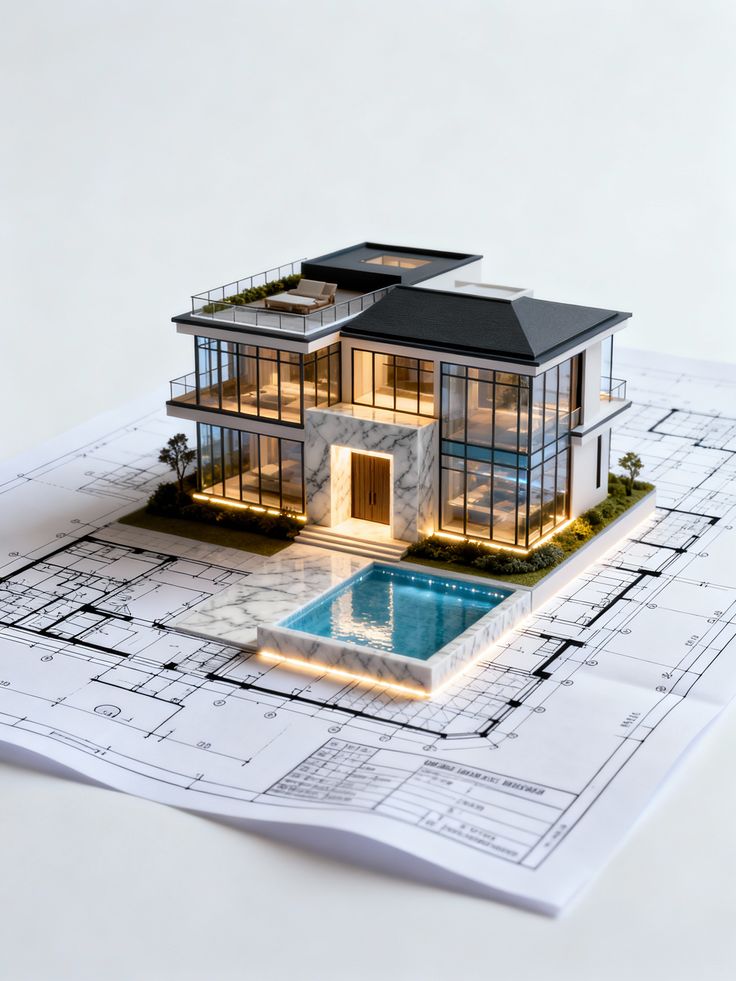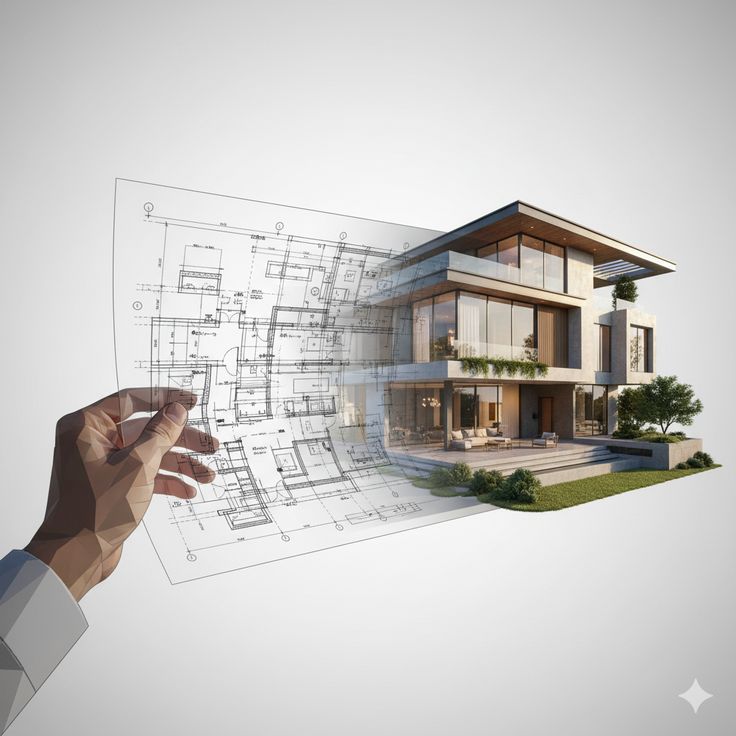
Realism is not accidental.
It’s built.
What makes a render realistic?
Not just high quality but correct details.
Lighting is everything
Without proper lighting:
→ nothing looks real
- natural light simulation
- shadow accuracy
- reflection control
Light defines realism.
Material accuracy
Materials must behave correctly.
- reflections
- roughness
- transparency
A wrong material breaks the illusion.
Scale and proportion
Even small mistakes are visible.
- furniture size
- ceiling height
- spacing
Accuracy builds trust.
Imperfection adds realism
Perfect surfaces look fake.
Real spaces include:
- subtle texture variation
- minor imperfections
Camera perspective matters
Wrong angles distort perception.
- realistic eye-level views
- correct focal length
Context completes the image
Empty renders feel artificial.
- objects
- environment
- human scale references
These make visuals believable.
Why it matters
Photorealistic renders:
- improve client confidence
- reduce misunderstandings
- strengthen presentations
Arkethane perspective
At Arkethane, realism is not exaggeration.
We focus on:
→ accuracy
→ balance
→ believable visuals
Because trust comes from clarity.