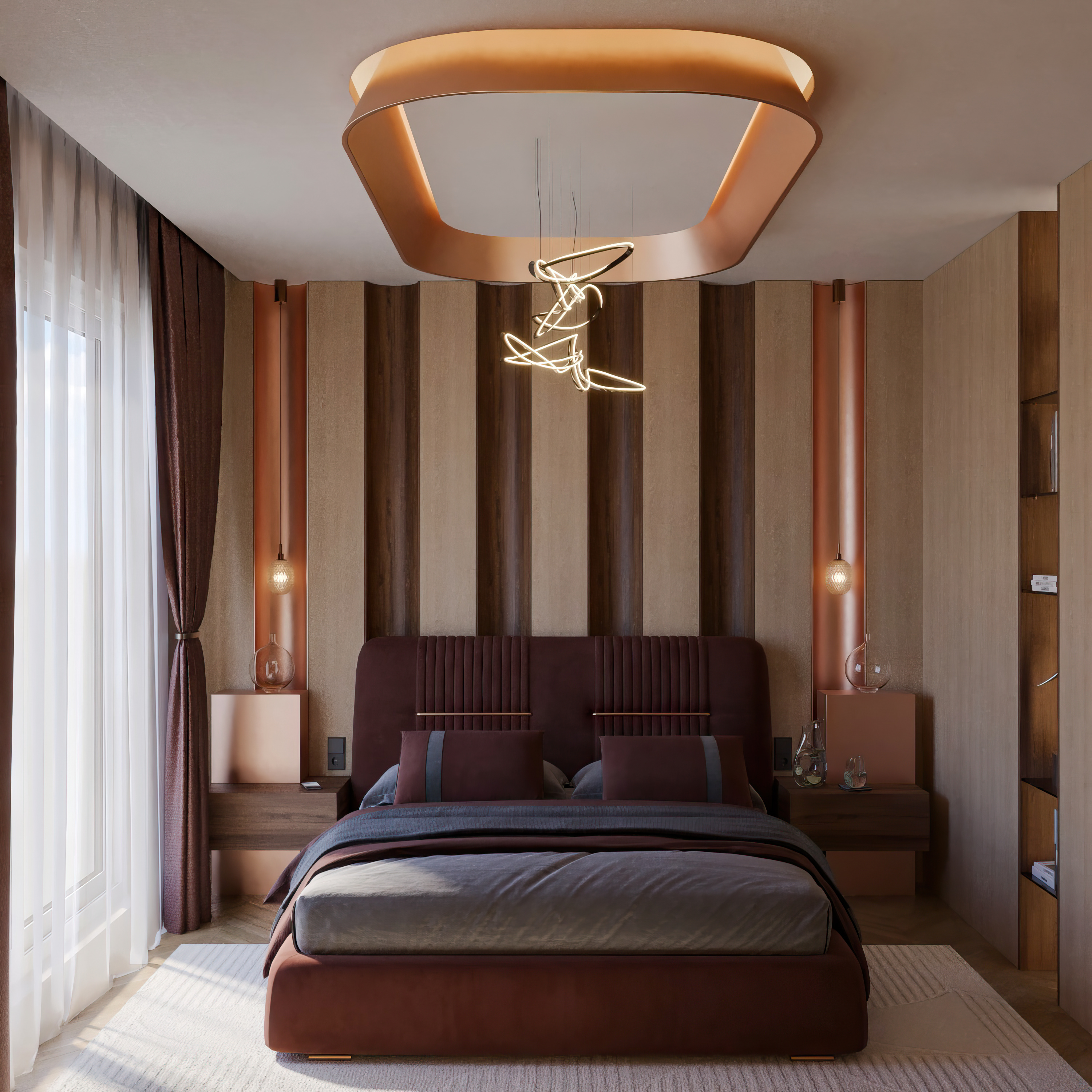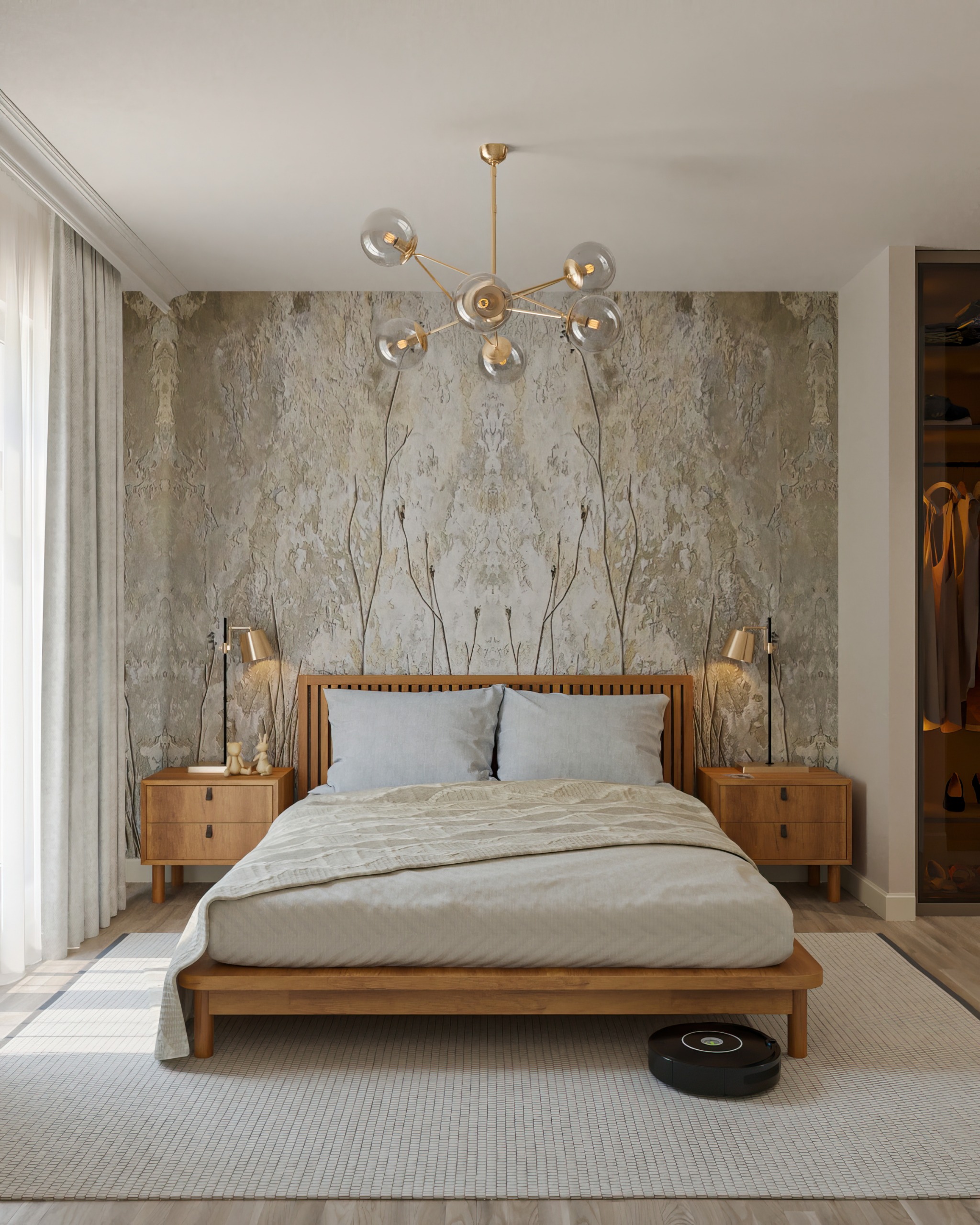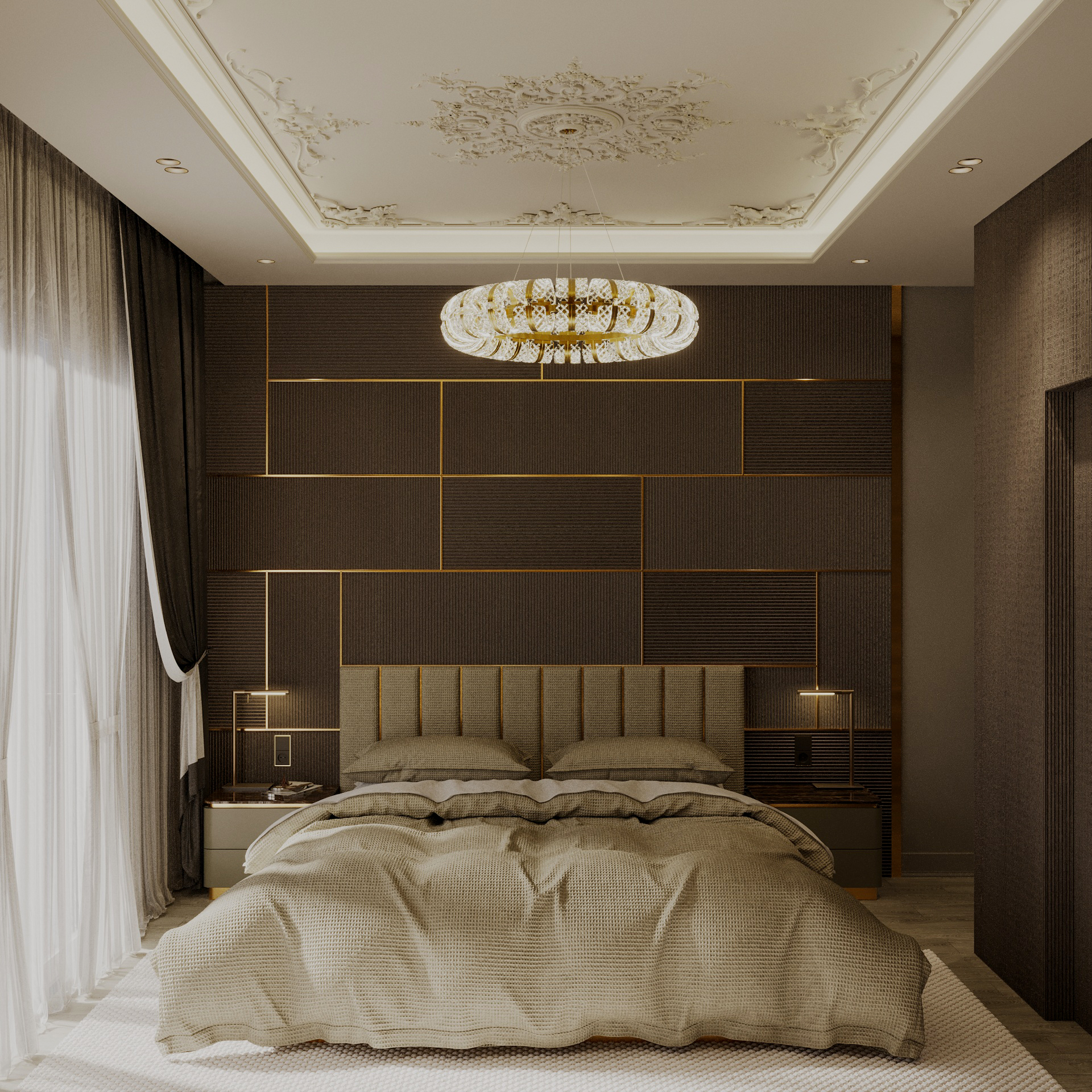
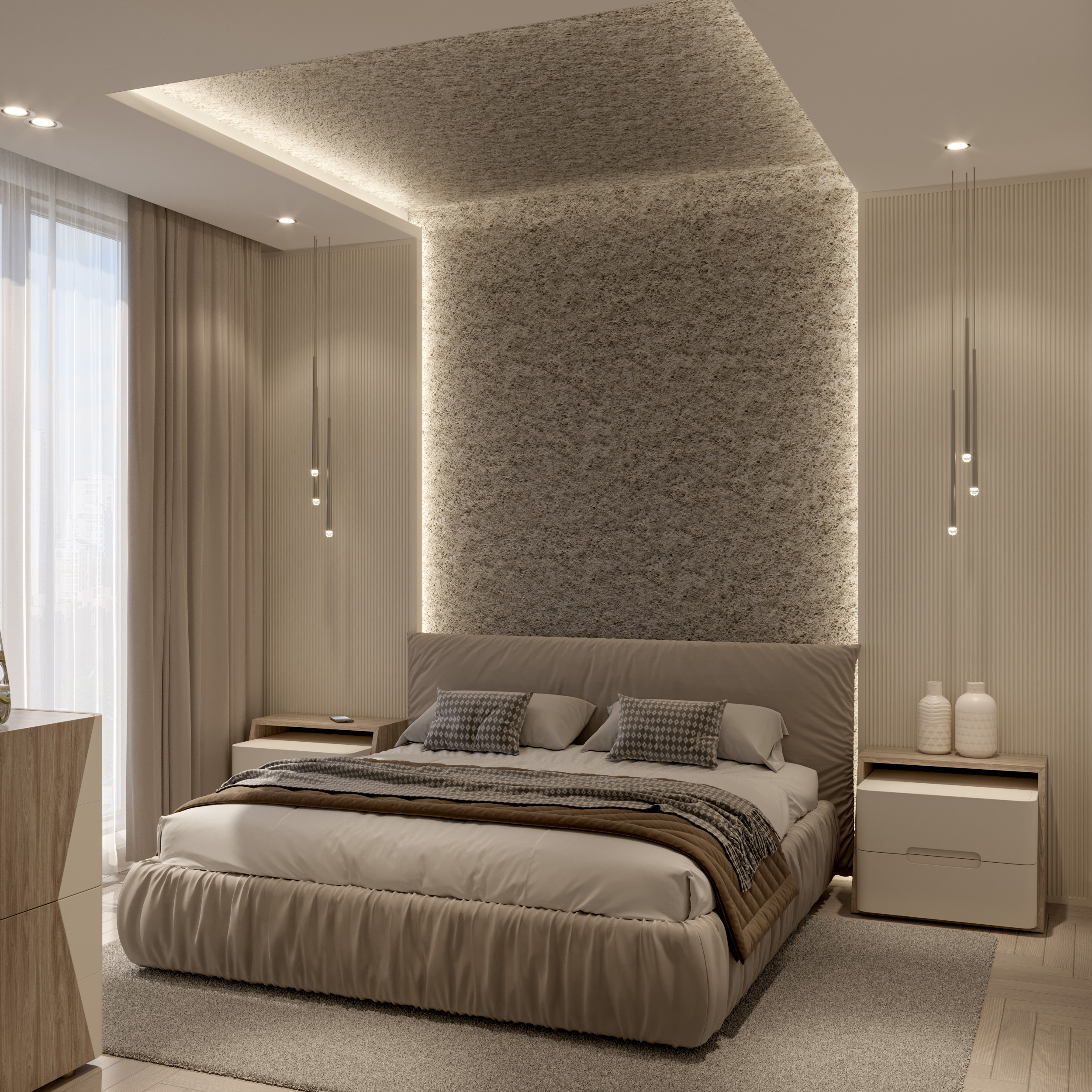
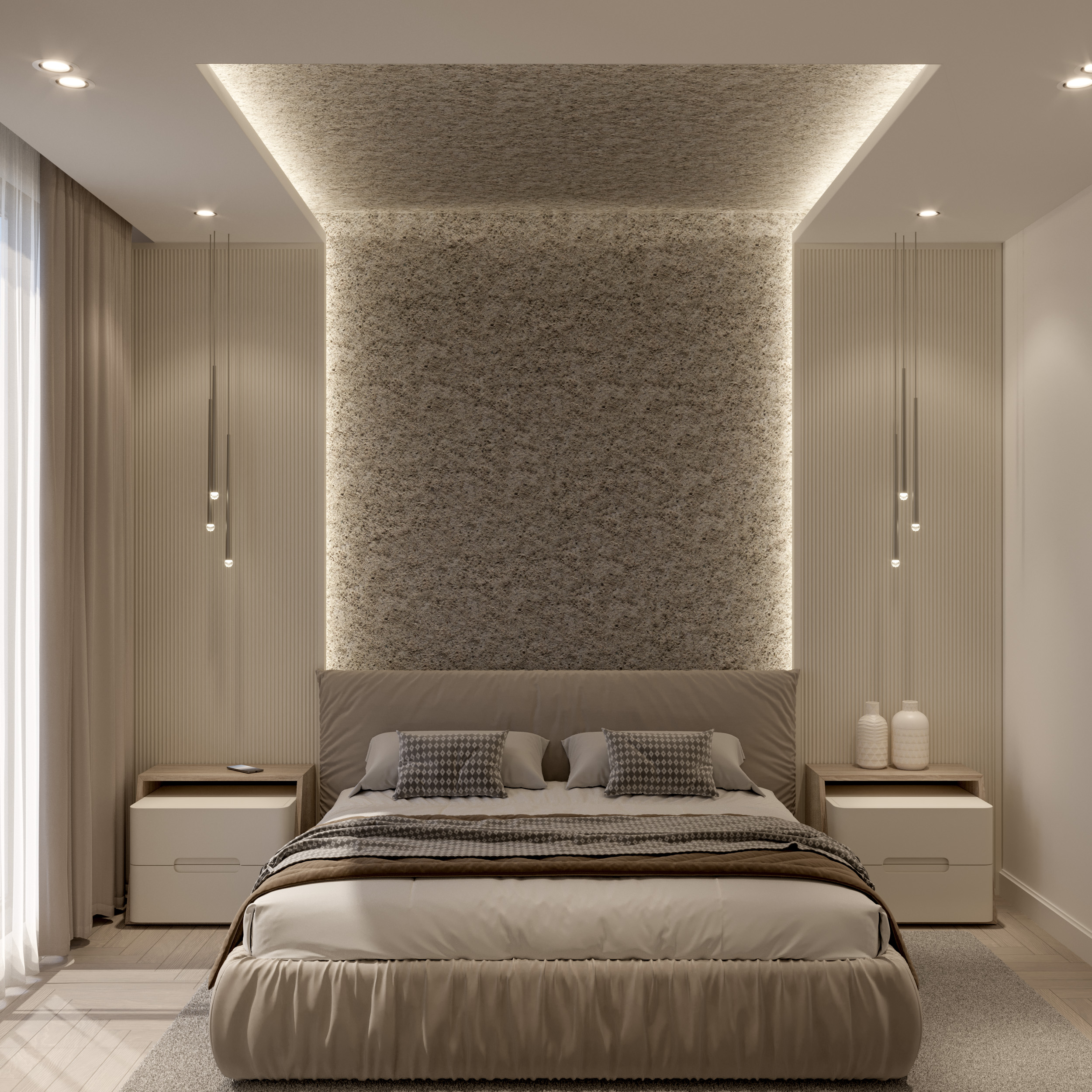
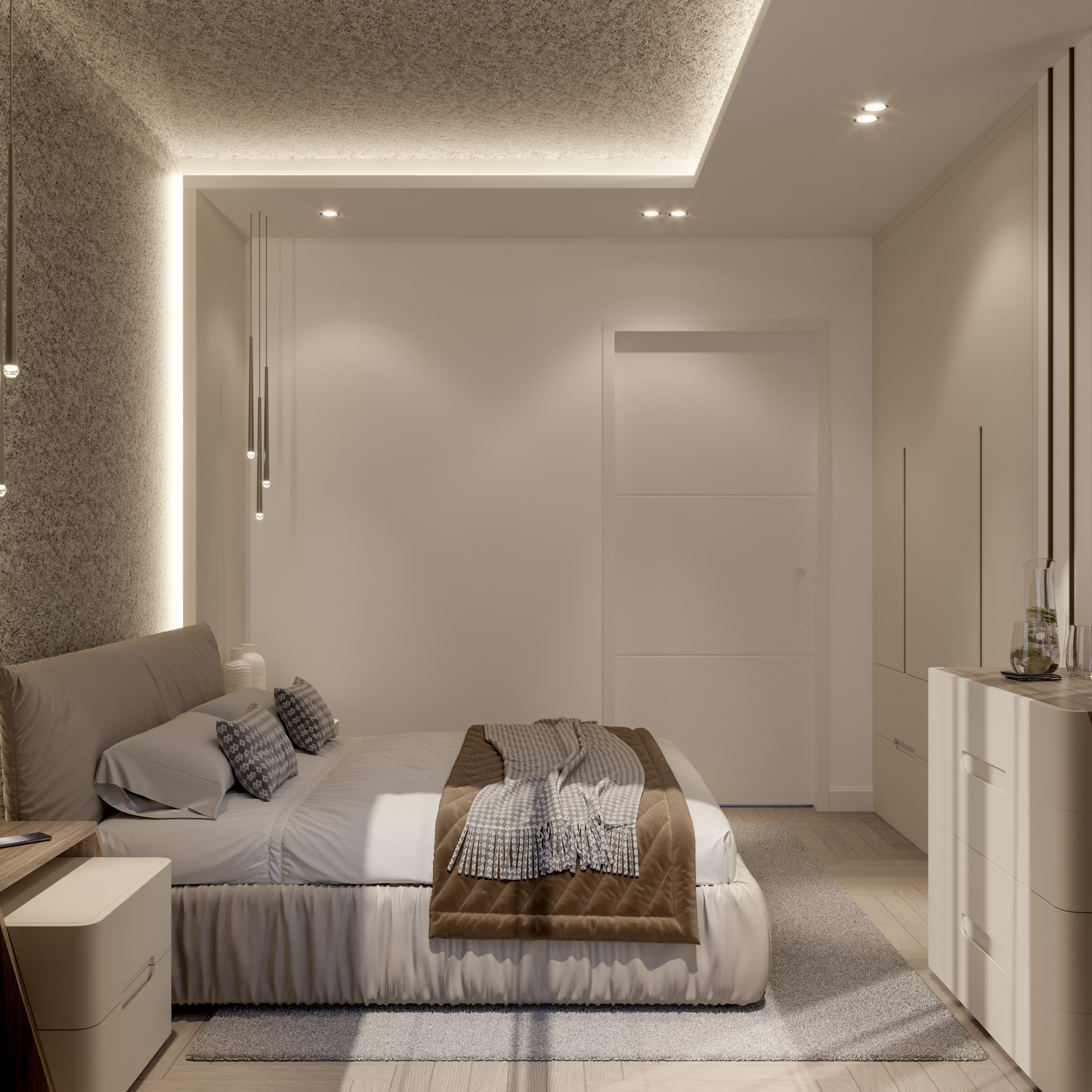
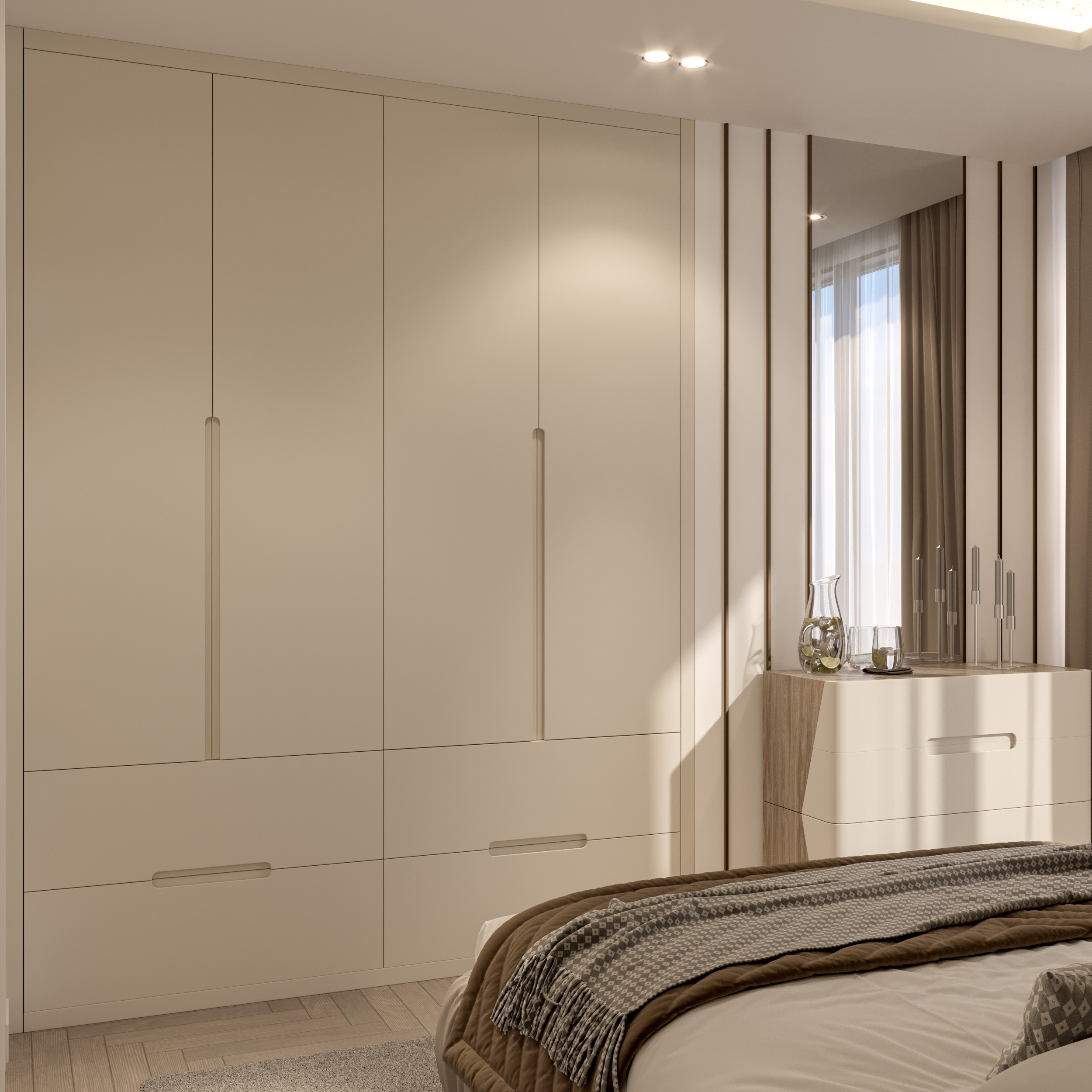
Noise Bedroom adopts an approach focused not only on “visual appearance” but also on “sensory experience” in spatial design. The concept of “Noise,” which the design name evokes, is interpreted here as a design manifesto aiming to create a calmness that is free from noise and appeals to the senses.
This design reconstructs the concept of the modern bedroom along the axes of function, atmosphere, and psychological comfort. The bedroom is no longer just a sleeping area; it is a multi-layered living space that establishes a delicate balance between silence, rhythm, sensory comfort, and aesthetic perception.
Atmosphere Prioritizing Sensory Comfort
The main design objective of the space is to respond to the body's and mind’s desire for silence and relaxation. The word “noise,” implied in its name, is used here as a contrast — to produce an inner zone of calm away from the noise of the outside world. This approach aligns with the increasingly important perspective of “sensory-driven architecture” in modern design trends; the design aims not only for visual but also auditory and tactile comfort.
Materials and Surfaces Defining Silence
The selected materials, surfaces, and textile details in this room support silence:
- Soft-textured carpets and curtains improve the acoustics of the space and control sound reflection
- Fabric-covered headboard or wall panels absorb sound and create a softer acoustic environment indoors
- Visual noise is reduced with minimal geometries and a neutral palette, strengthening the calmness of the room
These choices make the space comfortable not only aesthetically but also in terms of acoustics and sensory perception.
Light, Color, and Psychological Atmosphere
Noise Bedroom also supports calmness through the balance of light and color:
- Controlled distribution of natural light allows the space to achieve a calming rhythm during the day
- Neutral and soft tones create mental comfort and visual tranquility
- Layered lighting supports both the general atmosphere and personal usage scenarios
As a result, the space becomes an atmosphere that nourishes silence and calmness under all lighting conditions.
Spatial Flow with Functional Zoning
The planning of Noise Bedroom is organized according to the flow of daily routines:
✔ Sleeping area — allows the body to relax and experience silence
✔ Resting / reading corner — supports mental silence with low sound and soft rhythm
✔ Storage solutions — reduce visual clutter and keep the space simple and clear
This approach repositions the space from being just a “functional bedroom” into a living area aligned with a quiet rhythm.
Psychological Impact of the Design
In contemporary interior architecture, the concepts of “silence” and “noise control” now encompass not only auditory aspects but also psychological comfort, sensory balance, and emotional peace. In this project, architectural decisions align with these sensory design trends; this positions the space not only as aesthetic but also as a refuge that appeals to the individual’s mental rhythm.