Introduction: Building for Tomorrow
Architecture is no longer only about aesthetics and functionality. Today, it also carries a critical responsibility: minimizing environmental impact.
As global awareness of climate change, resource depletion, and environmental degradation grows, the role of sustainable design becomes increasingly important. At the core of this transformation lies one key factor: material selection.
Sustainable materials are not just a trend—they are a necessity for creating buildings that are efficient, responsible, and future-proof.
What Are Sustainable Materials?
Sustainable materials are materials that have a reduced impact on the environment throughout their lifecycle.
This includes:
- Extraction
- Production
- Transportation
- Use
- Disposal or recycling
A sustainable material is not defined by a single characteristic—it is evaluated based on its overall environmental footprint.
Why Sustainable Materials Matter
Material choices significantly influence the environmental impact of a building.
Key reasons to prioritize sustainability:
1. Reduced Environmental Impact
Lower carbon emissions and resource consumption.
2. Energy Efficiency
Better insulation and performance reduce energy use.
3. Healthier Indoor Environments
Low-emission materials improve air quality.
4. Long-Term Durability
Sustainable materials often last longer, reducing waste.
5. Regulatory Compliance
Many regions now require sustainable design practices.
Sustainability is not just about the environment—it is also about performance and longevity.
Types of Sustainable Materials
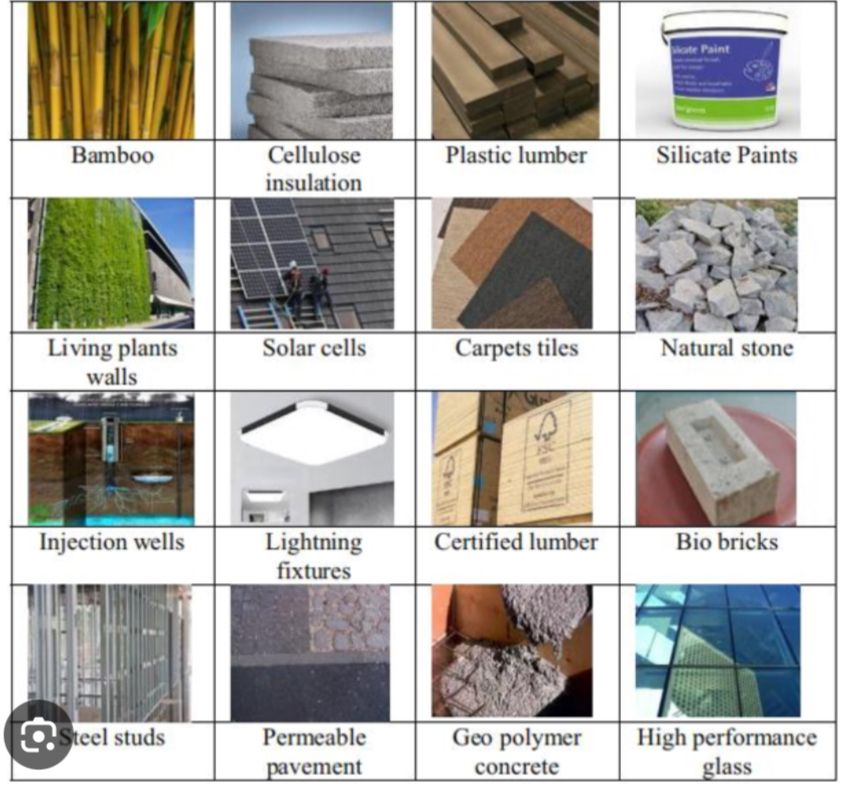
1. Natural Materials
Natural materials are often renewable and biodegradable.
Examples:
- Wood (from certified sources)
- Stone
- Clay
- Bamboo
Benefits:
- Low environmental impact
- Natural aesthetics
- Biodegradability
2. Recycled Materials
Recycled materials reduce waste and resource consumption.
Examples:
- Recycled metal
- Recycled glass
- Reclaimed wood
Benefits:
- Reduced landfill waste
- Lower energy consumption in production
3. Low-Carbon Materials
These materials are designed to reduce carbon emissions during production.
Examples:
- Low-carbon concrete
- Engineered timber
- Alternative composites
4. High-Performance Materials
Materials that improve energy efficiency.
Examples:
- Insulated panels
- Energy-efficient glazing
- Reflective roofing materials
Key Criteria for Sustainable Material Selection
1. Lifecycle Impact
Evaluate the material from production to disposal.
2. Energy Efficiency
Materials should contribute to reducing energy consumption.
3. Durability
Long-lasting materials reduce the need for replacement.
4. Recyclability
Materials should be reusable or recyclable.
5. Health and Safety
Low VOC (volatile organic compounds) materials improve indoor air quality.
Sustainable Materials in Interior Design
Sustainability applies to interiors as well.
Examples:
- FSC-certified wood
- Natural textiles
- Low-VOC paints
- Recycled surfaces
Interior materials directly affect indoor air quality and user health.
Sustainable Materials in Exterior Design
Exterior materials must balance sustainability and durability.
Examples:
- Natural stone
- Weather-resistant wood
- Energy-efficient glass
- Recycled metal panels
These materials must withstand environmental conditions while maintaining performance.
Challenges in Sustainable Design
Higher Initial Cost
Sustainable materials may require higher upfront investment.
Limited Availability
Some materials are not widely accessible in all regions.
Misconceptions
Sustainable design is often seen as less aesthetic or less durable, which is not true.
Benefits Beyond Sustainability
Sustainable materials offer more than environmental benefits.
- Improved building performance
- Enhanced user comfort
- Long-term cost savings
- Increased property value
Sustainability and quality often go hand in hand.
Role of Architects and Interior Designers
Design professionals play a key role in sustainable material selection.
They:
- Evaluate material impact
- Balance design and performance
- Ensure proper application
- Integrate sustainability into the overall concept
Sustainability must be considered from the early design stages.
Future Trends in Sustainable Materials
- Bio-based materials
- Carbon-negative materials
- Smart materials
- Circular design systems
The future of architecture is closely tied to material innovation.
Practical Tips
- Choose certified materials
- Reduce unnecessary material use
- Focus on durability
- Consider lifecycle costs
- Work with experienced professionals
Conclusion: Designing Responsibly
Sustainable materials are essential for the future of architecture.
They allow us to:
- Reduce environmental impact
- Improve building performance
- Create healthier spaces
Good design is no longer just about how a building looks—it is about how it performs over time and how it impacts the world.