Introduction: Design Alone Does Not Sell
In architecture and interior design, many professionals believe that a strong design is enough to convince a client. While design quality is essential, it is not always sufficient to secure a project.
Clients do not only buy design—they buy:
- Confidence
- Clarity
- Experience
- Trust
This is why presentation strategy plays a critical role in converting ideas into actual projects.
A well-prepared presentation can transform a good design into a compelling proposal. On the other hand, even an excellent design can fail if it is not communicated effectively.
What is an Architectural Presentation?
An architectural presentation is the process of communicating a design idea to a client or stakeholder.
It typically includes:
- Concept explanations
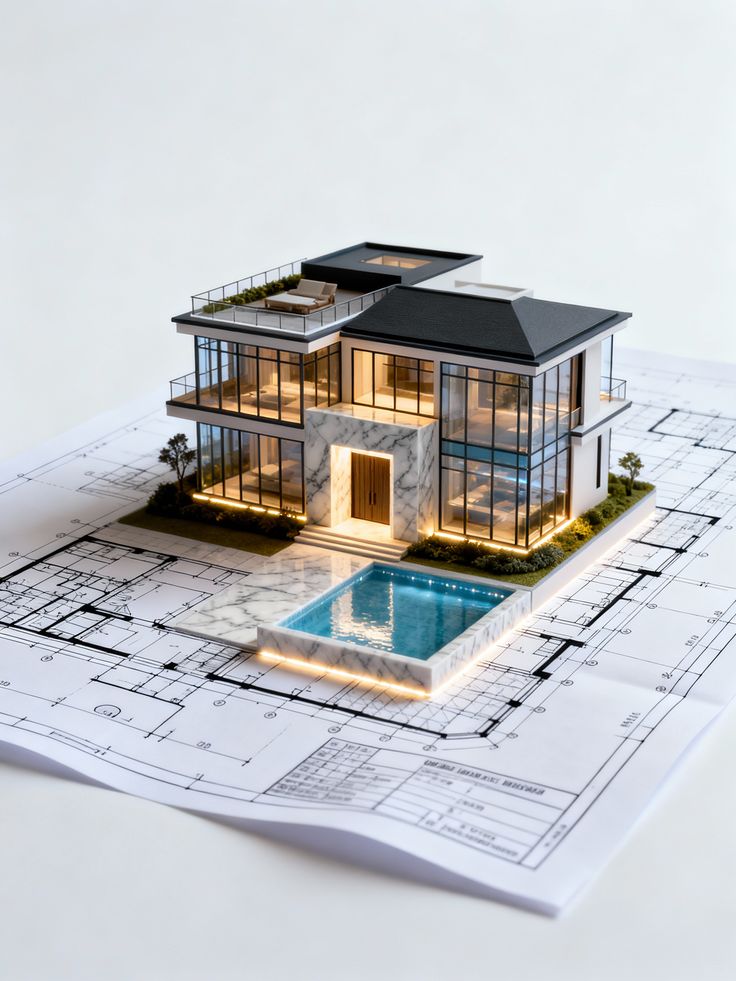
- Plans and drawings
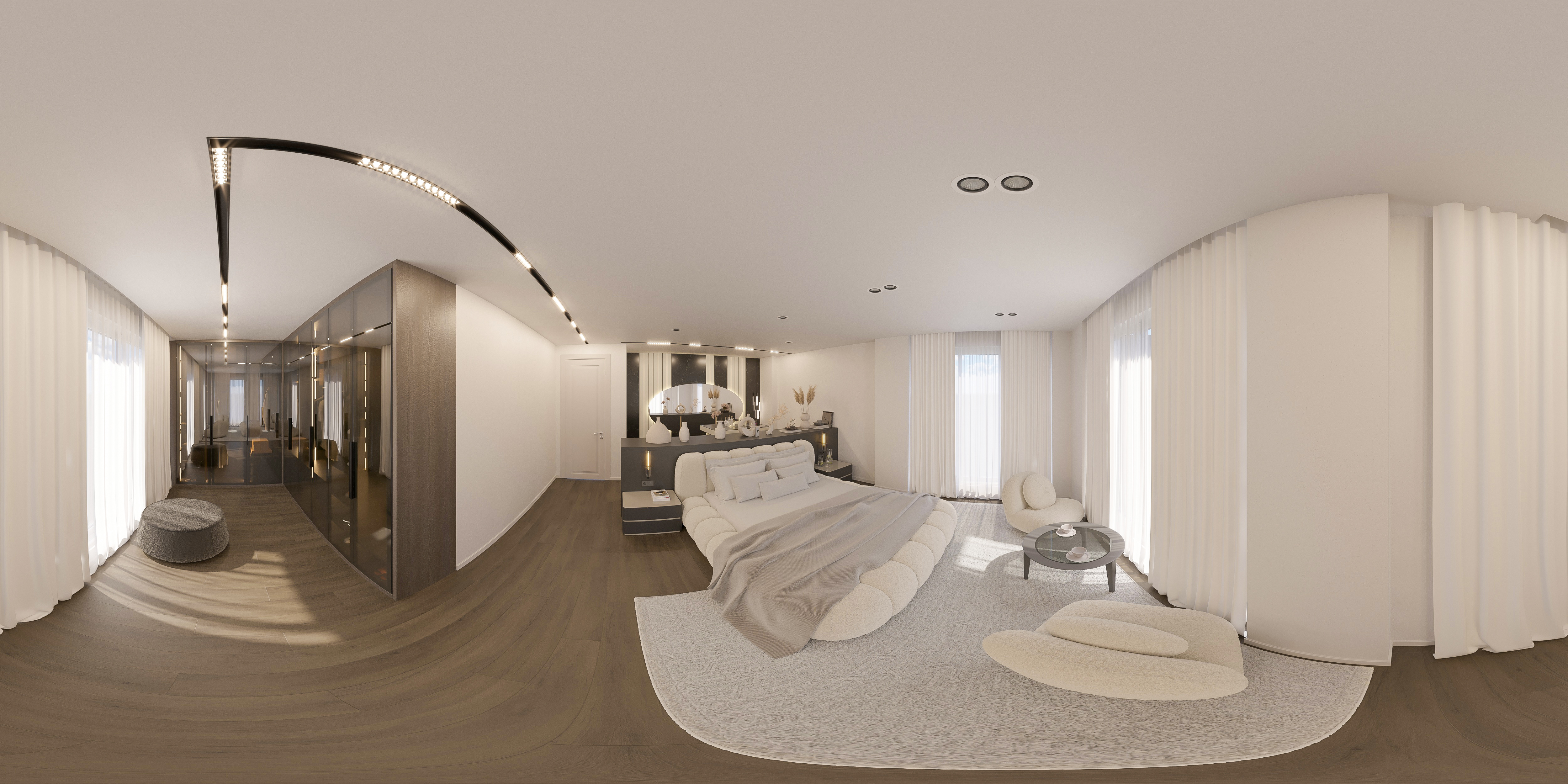
- 3D visuals and renderings
- Material selections
- Cost and timeline information
However, a successful presentation is not just about showing information—it is about persuasion.
Why Presentation Impacts Sales
1. First Impressions Matter
Clients form opinions quickly.
- Clear and confident presentation builds trust
- Poor communication creates doubt
2. Understanding Reduces Risk
Clients want to feel confident before making decisions.
Good presentations:
- Reduce uncertainty
- Clarify expectations
- Build confidence
3. Emotional Connection Drives Decisions
People often make decisions emotionally, then justify them logically.
Presentation should:
- Create excitement
- Build connection
- Inspire confidence
Key Strategies to Increase Sales
1. Tell a Story, Not Just a Design
Instead of presenting isolated elements, create a narrative.
Example:
- Problem → Solution → Experience
This helps clients understand the value of the design.
2. Focus on Client Needs
The presentation should revolve around the client.
- Their lifestyle
- Their business goals
- Their expectations
Avoid focusing only on design details—focus on benefits.
3. Use High-Quality Visuals
Visuals are the most powerful communication tool.
Include:
- Photorealistic renders
- Animations
- 360° views
Better visuals = stronger impact.
4. Simplify Technical Information
Clients may not understand technical drawings.
Tips:
- Use simple language
- Avoid jargon
- Explain clearly
Clarity builds trust.
5. Highlight Value, Not Just Cost
Instead of focusing on price, emphasize value.
- Long-term durability
- Design quality
- User experience
Clients are more willing to invest when they see value.
Persuasion Techniques in Presentations
1. Social Proof
Show previous projects or success stories.
- Builds credibility
- Reduces risk perception
2. Visualization of Experience
Help clients imagine themselves in the space.
- Walkthrough animations
- Lifestyle-focused visuals
3. Scarcity and Urgency
Encourage decision-making.
- Limited timelines
- Project scheduling
4. Authority
Demonstrate expertise.
- Portfolio
- Experience
- Professional approach
5. Consistency
Ensure all presentation elements align.
- Visual language
- Design concept
- Messaging
Consistency strengthens perception.
Structuring an Effective Presentation
1. Introduction
- Project overview
- Client needs
2. Concept Explanation
- Design idea
- Inspiration
3. Visual Presentation
- Renders
- Animations
4. Technical Overview
- Plans
- Materials
5. Budget and Timeline
- Clear expectations
6. Conclusion
- Summary
- Call to action
Common Presentation Mistakes
Overloading with information
Too much detail confuses clients.
Weak visuals
Low-quality images reduce impact.
Lack of structure
Disorganized presentations weaken clarity.
Ignoring client perspective
Design must be explained in terms of benefits.
Role of 3D Visualization in Sales
Visualization tools significantly increase conversion rates.
- Makes design tangible
- Reduces uncertainty
- Improves engagement
3D visualization is not just a design tool—it is a sales tool.
Digital Presentation Tools
Modern presentations use advanced tools.
Examples:
- Interactive presentations
- VR walkthroughs
- Online presentations
These tools enhance client experience.
Building Trust Through Presentation
Trust is the foundation of every project.
Build trust by:
- Being transparent
- Communicating clearly
- Showing expertise
- Delivering consistency
Clients choose designers they trust.
Psychological Aspects of Persuasion
Understanding client psychology improves results.
- People prefer clarity over complexity
- Visuals are processed faster than text
- Emotions influence decisions
Design presentations should address both logic and emotion.
Practical Tips for Better Presentations
- Keep it clear and structured
- Use strong visuals
- Focus on benefits
- Engage the client
- Be confident and professional
Future of Architectural Presentations
- Interactive experiences
- AI-assisted presentations
- Real-time design updates
- Immersive technologies
Presentations are becoming more dynamic and engaging.
Conclusion: Design + Communication = Success
A great design needs a great presentation to succeed.
By combining:
- Strong visuals
- Clear communication
- Persuasive techniques
You can transform presentations into powerful sales tools.
In the end, success is not only about designing well it is about presenting your design effectively.