Introduction: Seeing Before Building
In architecture and interior design, one of the biggest challenges has always been communication. Designers can imagine spaces in detail, but clients often struggle to fully understand plans, sections, or technical drawings.
This gap between imagination and understanding can lead to:
- Misinterpretation
- Design revisions
- Delays
- Increased costs
This is where 3D visualization becomes essential.
3D visualization allows designers to present ideas in a realistic and immersive way—long before construction begins. It transforms abstract concepts into visual experiences that anyone can understand.
What is 3D Visualization?
3D visualization is the process of creating three-dimensional digital representations of spaces, buildings, or objects.
These visuals simulate:
- Materials
- Lighting
- Shadows
- Depth
- Perspective
The goal is to produce images or animations that closely resemble real-life environments.
Types of 3D Visualization
1. Still Renderings
High-quality images that show a space from specific angles.
Benefits:
- Easy to understand
- Ideal for presentations
- Fast to produce compared to animations
2. Animations
Moving visuals that guide users through a space.
Benefits:
- Show spatial relationships
- Create storytelling experience
- Enhance presentations
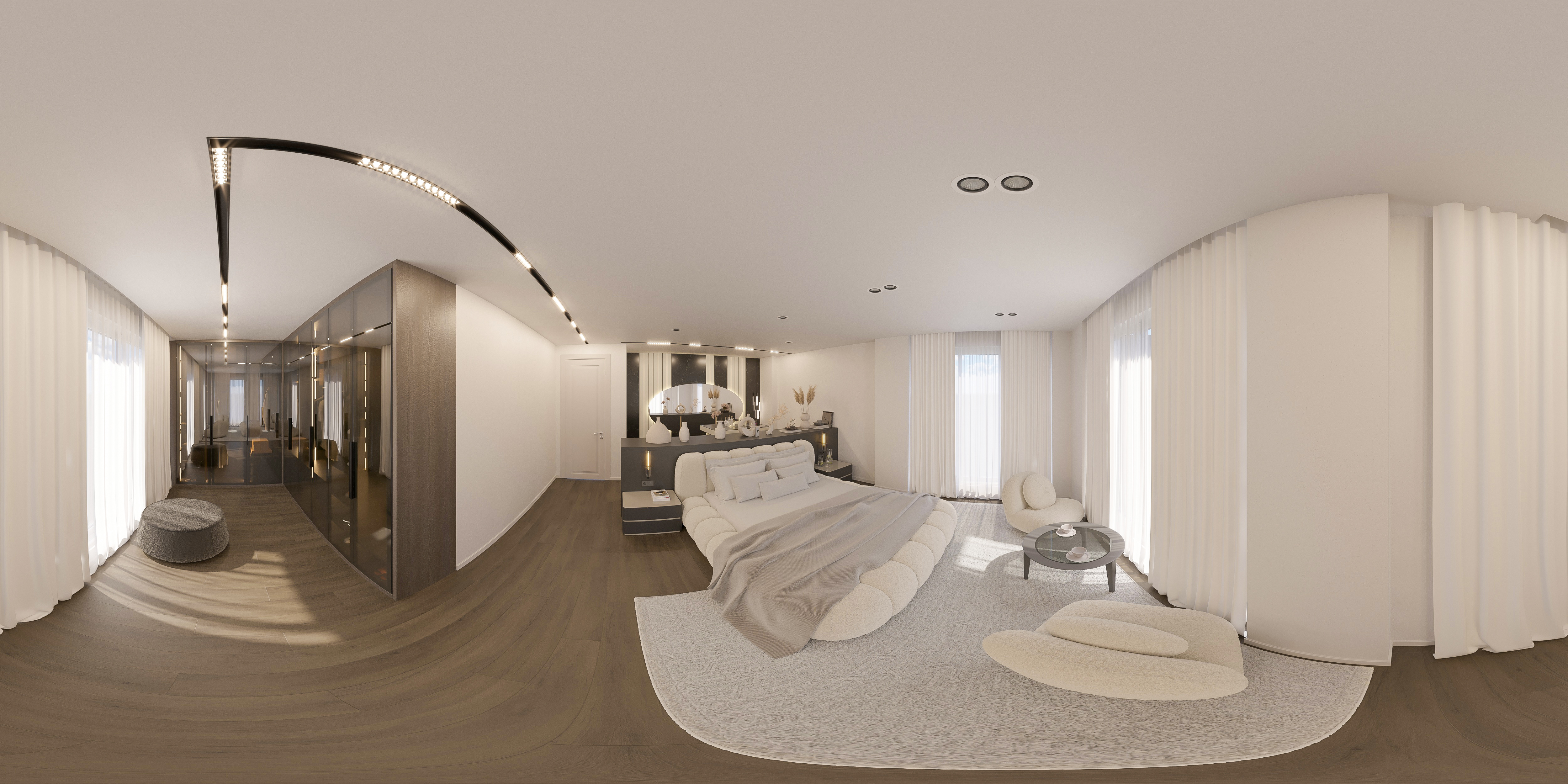
3. 360° Panoramic Views
Interactive visuals that allow users to explore a space.
Benefits:
- Immersive experience
- Better spatial understanding
- Ideal for marketing
4. Virtual Reality (VR)
Fully immersive environments.
Benefits:
- Real-time interaction
- High level of realism
- Advanced user experience
Why 3D Visualization is Important
1. Better Communication
3D visuals make design understandable for everyone.
- Clients
- Investors
- Contractors
No technical knowledge required.
2. Improved Decision-Making
Clients can evaluate:
- Materials
- Colors
- Layouts
This reduces uncertainty.
3. Reduced Errors
Visualizing the project early helps identify issues before construction.
4. Stronger Presentations
High-quality visuals enhance:
- Client presentations
- Marketing materials
- Project proposals
5. Time and Cost Efficiency
Early visualization prevents costly changes later.
Role of 3D Visualization in Design Process
Concept Phase
Helps explore design ideas visually.
Development Phase
Refines materials and details.
Presentation Phase
Communicates the final design clearly.
Pre-Construction Phase
Identifies potential issues.
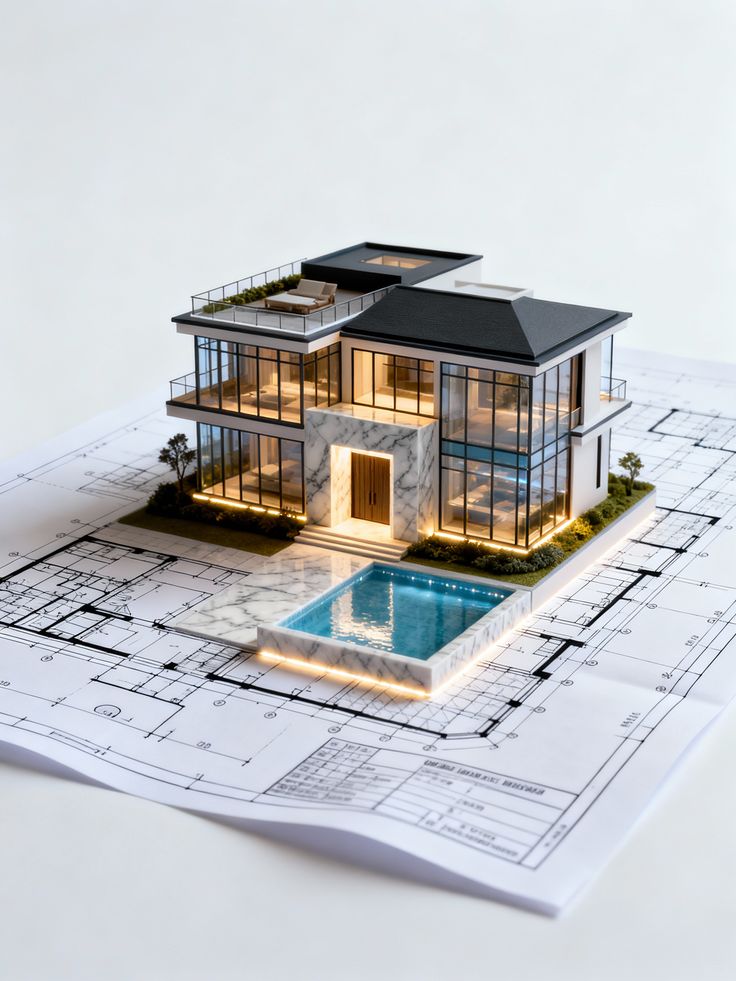
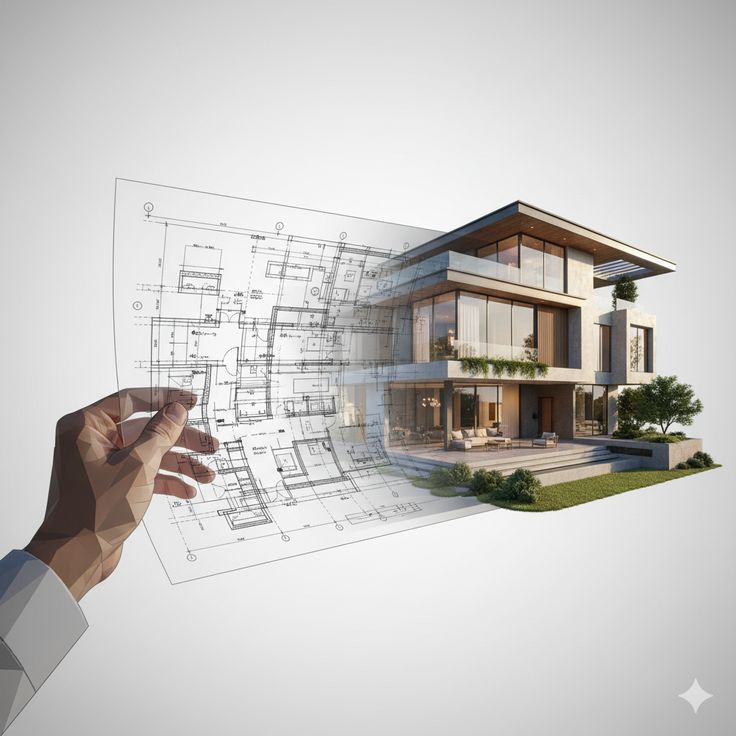
3D Visualization vs Technical Drawings
3D Visualization:
- Visual understanding
- Emotional impact
Technical Drawings:
- Construction accuracy
- Detailed instructions
Both are essential and complementary.
Key Elements of High-Quality Visualization
1. Lighting
Lighting defines realism.
2. Materials
Accurate textures improve visual quality.
3. Composition
Camera angles and framing matter.
4. Detail Level
Small details enhance realism.
Applications of 3D Visualization
Residential Projects
- Interior previews
- Material selection
Commercial Projects
- Branding visualization
- Client presentations
Real Estate Marketing
- Pre-sales visuals
- Promotional content
Product Design
- Product demonstrations
- Marketing visuals
Common Mistakes in 3D Visualization
Unrealistic lighting
Reduces credibility.
Overuse of effects
Makes visuals look artificial.
Lack of detail
Weakens realism.
Ignoring scale
Leads to inaccurate perception.
Role of Visualization Artists
Visualization specialists work closely with designers.
They:
- Interpret design concepts
- Create realistic visuals
- Enhance presentation quality
Their work bridges design and communication.
Technology Behind 3D Visualization
Tools:
- 3D modeling software
- Rendering engines
- Real-time visualization tools
Benefits:
- Faster production
- Higher realism
- Better flexibility
Future of 3D Visualization
- Real-time rendering
- AI-assisted visualization
- Augmented reality (AR)
- Fully immersive VR environments
Visualization is becoming more interactive and realistic.
Practical Tips
- Use visualization early in the project
- Focus on realism
- Avoid unnecessary effects
- Match visuals with design intent
- Work with professionals
Conclusion: Designing Through Visualization
3D visualization has become an essential part of modern architecture.
It allows designers to:
- Communicate clearly
- Make better decisions
- Improve project quality
In today’s design world, if you can see it you can build it better.