Introduction: Turning Ideas into Real Spaces
Every successful interior design project starts with an idea—but not every idea becomes a successful space.
The difference lies in the design process.
Interior design is not just about creativity. It is a structured workflow that transforms concepts into functional, buildable, and aesthetically refined environments. From the first sketch to the final installation, each phase plays a critical role in determining the overall success of the project.
Understanding the interior design process helps:
- Clients make better decisions
- Designers manage projects efficiently
- Teams avoid costly mistakes
- Projects stay on time and within budget
A well-structured process ensures that design is not only beautiful—but also realistic and executable.
What is the Interior Design Process?
The interior design process is a series of structured steps that guide a project from concept to completion.
Main phases:
- Briefing and analysis
- Concept development
- Space planning
- Material selection
- Technical drawings
- Visualization
- Implementation
Each phase builds on the previous one.
Phase 1: Client Brief and Analysis
The project begins with understanding the client.
Key elements:
- User needs
- Lifestyle or business requirements
- Budget
- Timeline
- Design expectations
Questions to ask:
- What is the purpose of the space?
- Who will use it?
- What are the priorities?
A strong brief prevents misunderstandings later.
Phase 2: Concept Development
This is where ideas begin to take shape.
Includes:
- Design moodboards
- Style direction
- Color palette
- Material inspiration
The concept defines the identity of the project.
Key goal:
Create a clear design vision before moving forward.
Phase 3: Space Planning
Space planning translates ideas into layout.
Focus:
- Functional zoning
- Circulation
- Furniture placement
- Ergonomics
A good layout ensures that the space works efficiently.
Phase 4: Material and Finish Selection
Materials define both aesthetics and performance.
Considerations:
- Durability
- Maintenance
- Cost
- Visual impact
Material selection must align with the concept and function.
Phase 5: Technical Drawings
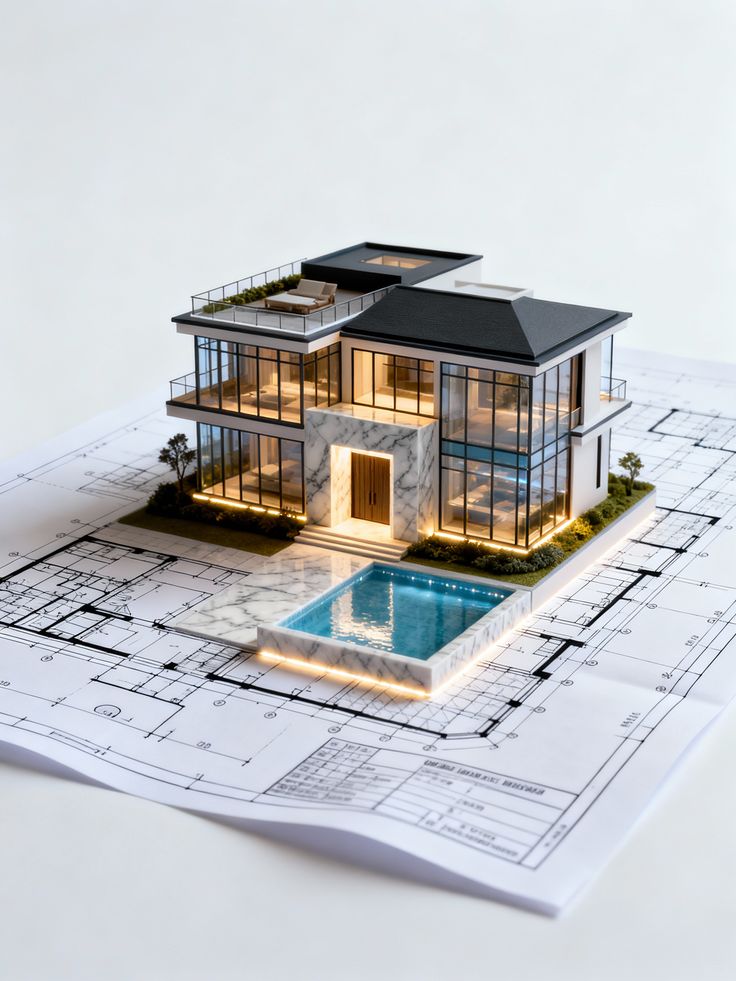
Technical drawings turn design into buildable instructions.
Includes:
- Floor plans
- Sections
- Elevations
- Joinery details
- Lighting plans
Accuracy at this stage is critical.
Phase 6: 3D Visualization
Visualization helps clients understand the design before execution.
Benefits:
- Realistic representation
- Better decision-making
- Reduced revisions
Tools:
- Renderings
- Animations
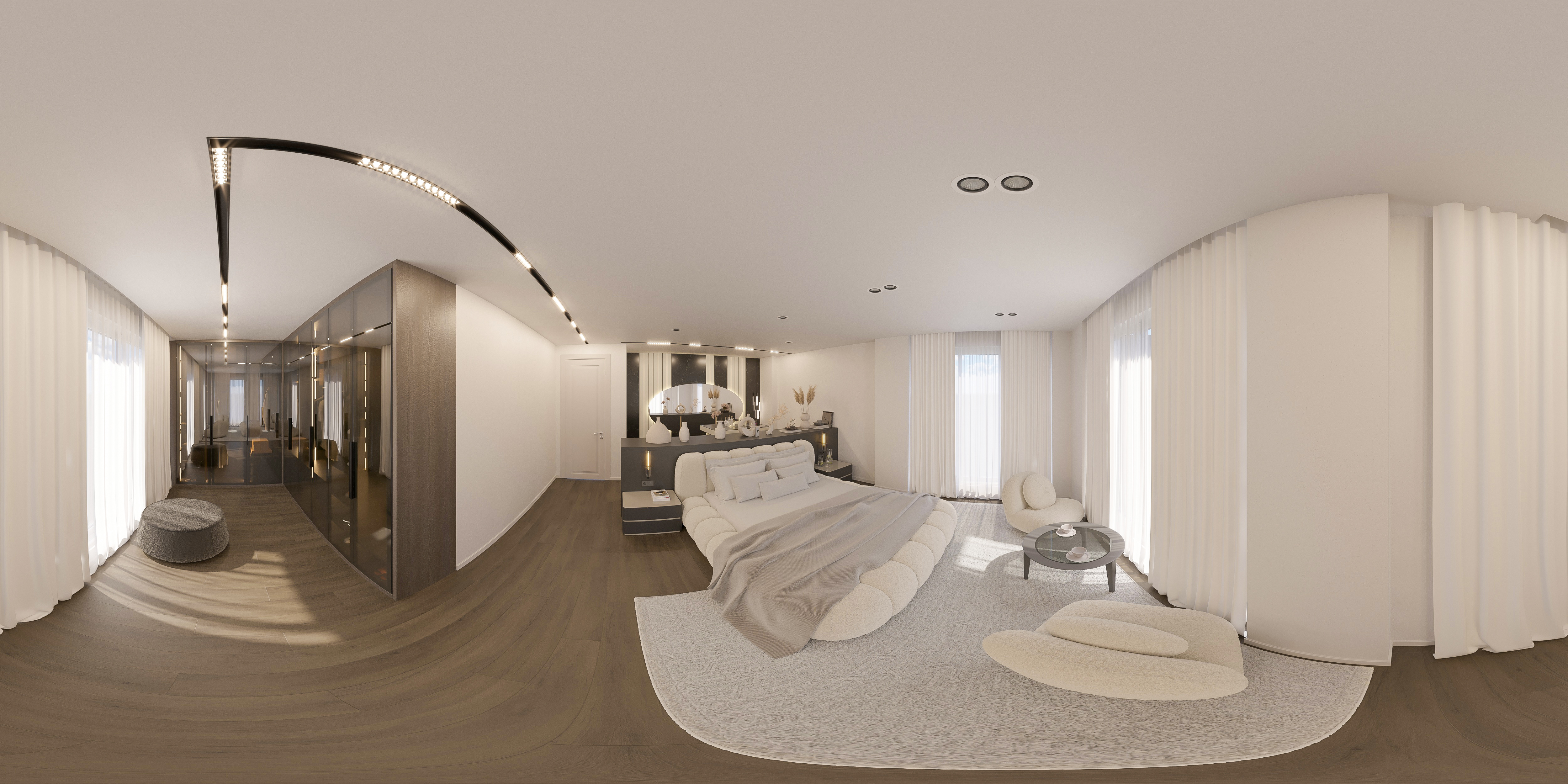
- 360° views
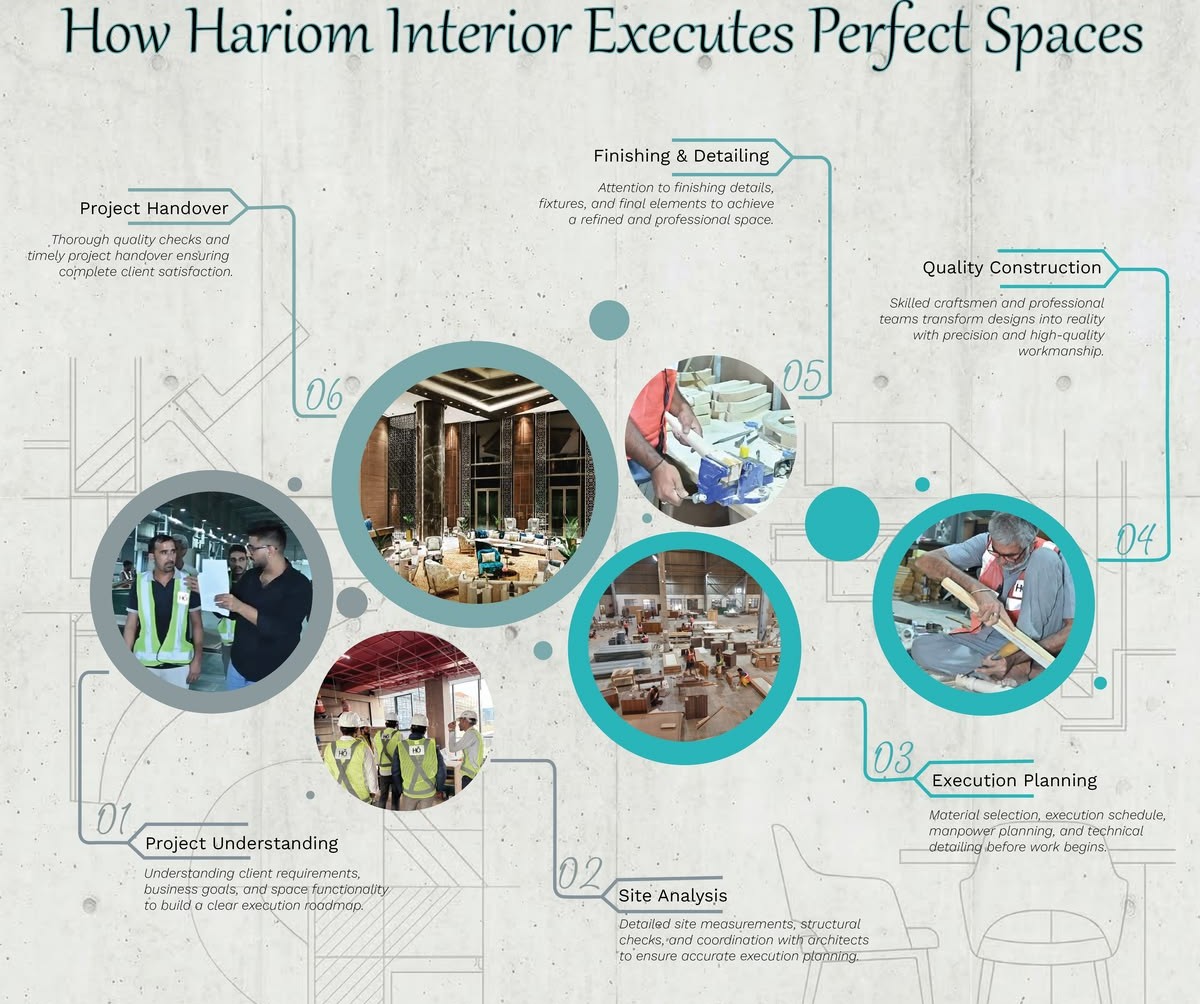
Phase 7: Implementation
This is where design becomes reality.
Includes:
- Site coordination
- Material application
- Quality control
Designers ensure that the project is executed correctly.
Project Management in Interior Design
A successful project requires strong management.
Key aspects:
- Timeline control
- Budget management
- Coordination between teams
Without proper management, even good designs can fail.
Common Challenges in the Process
Poor communication
Leads to misunderstandings.
Budget overruns
Caused by lack of planning.
Design changes during execution
Increases cost and delays.
Incomplete documentation
Creates confusion on site.
The Role of Interior Architects
Interior architects manage both design and technical aspects.
They:
- Develop concepts
- Plan spaces
- Select materials
- Prepare drawings
- Oversee execution
Their role ensures that design is both creative and practical.
Importance of Early Planning
Decisions made early in the project have the biggest impact.
Benefits:
- Fewer revisions
- Better cost control
- Higher design quality
Early planning saves time and money.
Future of Interior Design Process
- Digital design tools
- BIM integration
- Virtual reality presentations
- Smart project management systems
The process is becoming more efficient and precise.
Practical Tips for Clients
- Clearly define your needs
- Trust the design process
- Avoid late changes
- Communicate regularly
- Focus on long-term value
Conclusion: From Idea to Reality
Interior design is not just about creativity—it is about execution.
A structured process ensures:
- Functional spaces
- Aesthetic quality
- Efficient implementation
Great design happens when creativity meets planning and precision.