Introduction: The Power of Surface Finishes
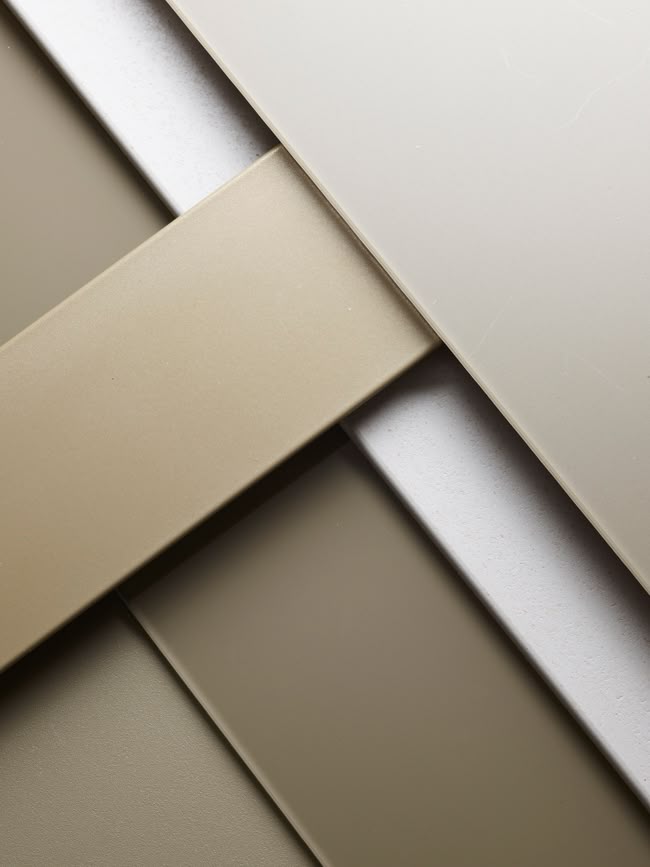
In interior architecture and furniture design, surface finishes are often the final layer—but they are far from being a minor detail. In fact, they define how a design is perceived, touched, and experienced.
A surface finish can:
- Transform the look of a material
- Influence durability and maintenance
- Affect light reflection and atmosphere
- Define the overall quality perception of a space
Among the most commonly used surface solutions are lacquer finishes, veneers, and modern surface technologies. Each has its own advantages, limitations, and ideal use cases.
Choosing the right one is not just a stylistic decision—it is a strategic one.
What Are Lacquer Finishes?
Lacquer is a high-quality paint finish applied to surfaces such as MDF or wood to create a smooth and uniform appearance.
Characteristics:
- Smooth, seamless finish
- Available in matte, satin, or high-gloss options
- Wide range of colors
Advantages of Lacquer
1. Clean and Modern Look
Lacquer provides a sleek and refined appearance, ideal for contemporary interiors.
2. Color Flexibility
Almost any color can be achieved, making it highly customizable.
3. Seamless Surface
No visible joints or grain patterns.
Disadvantages of Lacquer
- Prone to scratches
- Requires careful application
- Can show fingerprints (especially glossy finishes)
- Higher cost for high-quality finishes
Best Applications
- Kitchen cabinets
- Built-in furniture
- Wall panels in modern interiors
- Minimalist designs
Lacquer is ideal when a clean, controlled, and modern aesthetic is desired.
What Are Veneers?
Veneers are thin slices of natural wood applied to a substrate such as MDF or plywood.
Characteristics:
- Natural wood appearance
- Unique grain patterns
- Warm and organic feel
Advantages of Veneers
1. Natural Aesthetic
Each veneer has a unique texture and pattern.
2. Warmth and Authenticity
Creates a more inviting atmosphere.
3. Cost Efficiency Compared to Solid Wood
Provides a wood look without the cost of full solid wood.
Disadvantages of Veneers
- Sensitive to moisture
- Requires proper finishing
- Limited flexibility in color
- Can be damaged if not maintained
Best Applications
- Furniture surfaces
- Wall panels
- Office interiors
- Residential living spaces
Veneer is ideal when a natural, warm, and timeless feel is desired.
What Are Surface Technologies?
Surface technologies refer to engineered finishes designed to improve durability, performance, and versatility.
Common types:
- Laminates
- Acrylic panels
- Compact laminates
- High-pressure laminates (HPL)
Advantages of Surface Technologies
1. High Durability
Resistant to scratches, stains, and impact.
2. Easy Maintenance
Low cleaning requirements.
3. Variety of Finishes
Can mimic wood, stone, or solid colors.
4. Cost Efficiency
Often more affordable than natural materials.
Disadvantages
- May lack natural authenticity
- Lower perceived luxury compared to natural materials
- Quality varies depending on product
Best Applications
- High-traffic areas
- Commercial interiors
- Kitchen cabinets
- Work surfaces
Surface technologies are ideal when performance and durability are priorities.
Key Differences at a Glance
Aesthetic Quality:
- Veneer → most natural
- Lacquer → most controlled and modern
- Surface tech → versatile but less authentic
Durability:
- Surface tech → highest
- Lacquer → moderate
- Veneer → moderate to low
Maintenance:
- Surface tech → easiest
- Lacquer → moderate
- Veneer → requires care
Customization:
- Lacquer → highest color flexibility
- Surface tech → wide range
- Veneer → limited to natural tones
How to Choose the Right Finish
1. Based on Design Style
- Minimalist → lacquer
- Natural/organic → veneer
- Industrial/commercial → surface technologies
2. Based on Usage
- High-use areas → surface technologies
- Decorative areas → lacquer or veneer
3. Based on Budget
- High-end → veneer or high-quality lacquer
- Mid-range → laminates or acrylic surfaces
4. Based on Maintenance
- Low maintenance → surface technologies
- Willing to maintain → veneer
Combining Different Finishes
Using multiple finishes can create contrast and depth.
Examples:
- Lacquer + veneer → modern warmth
- Veneer + metal → natural-industrial balance
- Surface tech + lacquer → durable yet refined
Balance is key.
Common Mistakes
Choosing only based on appearance
Performance should always be considered.
Using veneer in wet areas
Moisture can damage natural wood finishes.
Overusing glossy lacquer
Too much gloss can feel overwhelming.
Using low-quality materials
Poor finishes reduce overall design quality.
The Role of Interior Architects
Interior architects guide finish selection by balancing:
- Aesthetic goals
- Functional needs
- Budget constraints
- Technical feasibility
They ensure finishes are both beautiful and practical.
Future Trends in Surface Finishes
- Anti-fingerprint surfaces
- Ultra-matte finishes
- Sustainable materials
- Smart surfaces with advanced properties
Technology continues to improve material performance.
Practical Tips
- Always request samples
- Test finishes under different lighting
- Consider long-term use
- Balance aesthetics and durability
- Avoid overcomplicating material palette
Conclusion: The Right Finish Makes the Design
Surface finishes are where design meets reality.
Choosing between lacquer, veneer, and surface technologies is not about which is better—it is about which is more suitable.
When selected correctly, these finishes:
- Enhance design quality
- Improve durability
- Define user experience
A great design is not just seen—it is felt through its surfaces.