Introduction: A Shift in Lighting Design
Lighting technology has undergone a major transformation over the past two decades. Traditional lighting systems such as incandescent and fluorescent lamps are rapidly being replaced by LED (Light Emitting Diode) technology, which has become the standard in modern architectural lighting.
This shift is not only technological—it is also architectural.
LED lighting has fundamentally changed how designers approach space, allowing for greater flexibility, precision, and creativity. From subtle indirect lighting to dynamic façade illumination, LED systems enable solutions that were once difficult or impossible to achieve.
Today, LED lighting is not just a practical choice—it is a design tool.
What is LED Technology?
LED (Light Emitting Diode) is a semiconductor device that produces light when an electric current passes through it.
Unlike traditional bulbs, LEDs:
- Do not rely on filaments or gas
- Generate minimal heat
- Provide directional light
- Offer high efficiency
These characteristics make LED systems ideal for architectural applications.
Key Advantages of LED Lighting
1. Energy Efficiency
One of the most important advantages of LED technology is its energy efficiency.
Compared to traditional lighting:
- LEDs consume significantly less electricity
- Provide higher light output per watt
- Reduce overall energy costs
This makes them ideal for both residential and large-scale commercial projects.
2. Long Lifespan
LED lights last much longer than conventional lighting sources.
- Average lifespan: 25,000–50,000 hours
- Reduced need for replacement
- Lower maintenance costs
This is especially important in hard-to-access areas such as high ceilings or exterior facades.
3. Design Flexibility
LED lighting offers exceptional flexibility in design.
Examples:
- Linear lighting systems
- Hidden LED strips
- Integrated lighting in furniture
- Flexible light shapes
LEDs can be adapted to almost any form, making them perfect for modern architectural solutions.
4. Compact Size
LED fixtures are smaller and more versatile.
Benefits:
- Easy integration into tight spaces
- Minimal visual impact
- Clean and modern appearance
This allows designers to create invisible lighting effects.
5. Low Heat Emission
Unlike traditional bulbs, LEDs produce very little heat.
Advantages:
- Safer operation
- Reduced cooling requirements
- Suitable for sensitive materials
This makes LED lighting more efficient and durable.
6. Directional Lighting
LEDs emit light in a specific direction.
Benefits:
- Reduced light waste
- Better control over illumination
- Increased efficiency
This is particularly useful in accent and task lighting.
LED Lighting in Architectural Design
LED technology has expanded the possibilities of architectural lighting.
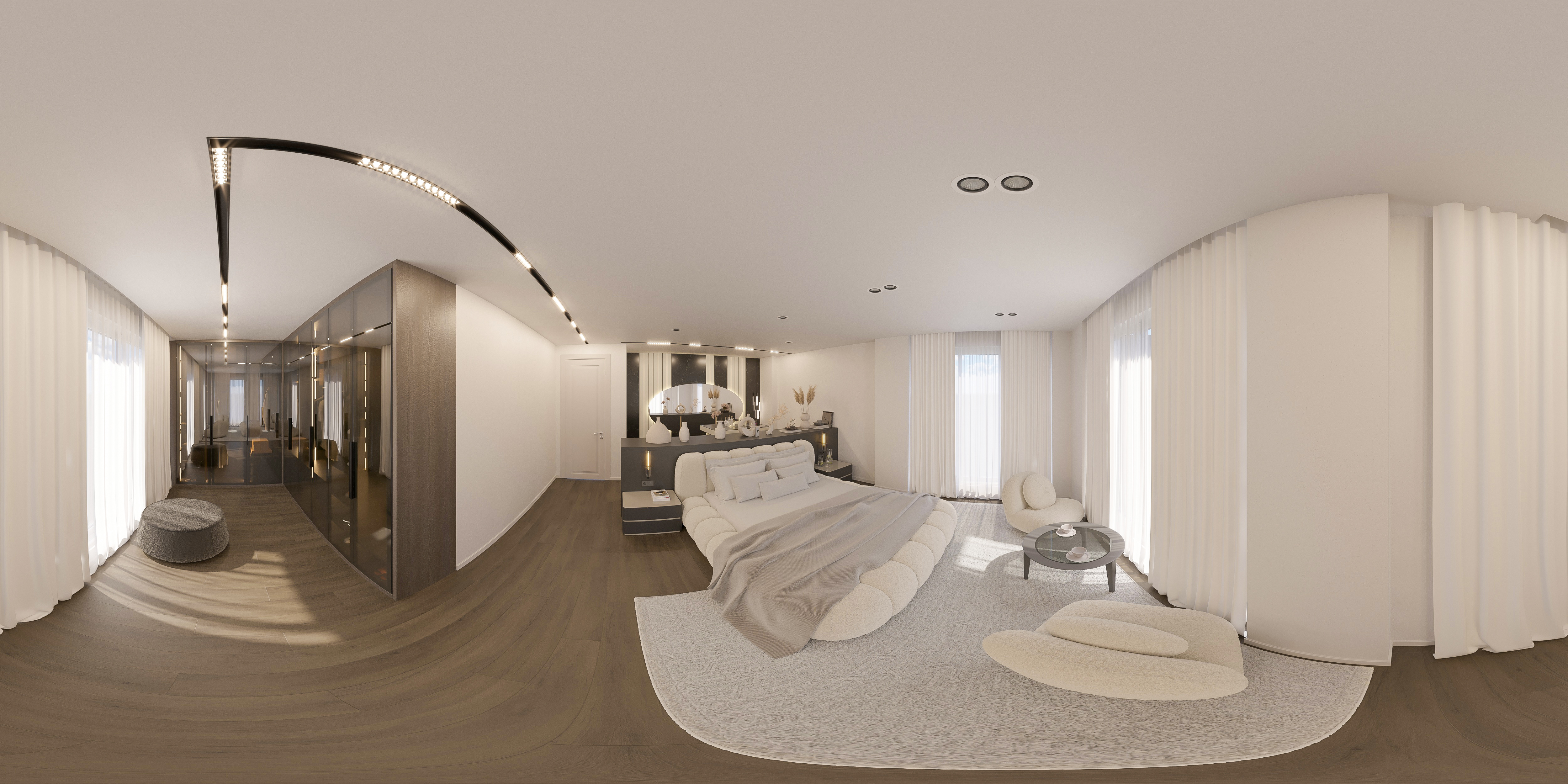
1. Indirect Lighting
- Hidden LED strips
- Cove lighting
- Ceiling integrations
Creates soft, diffused illumination.
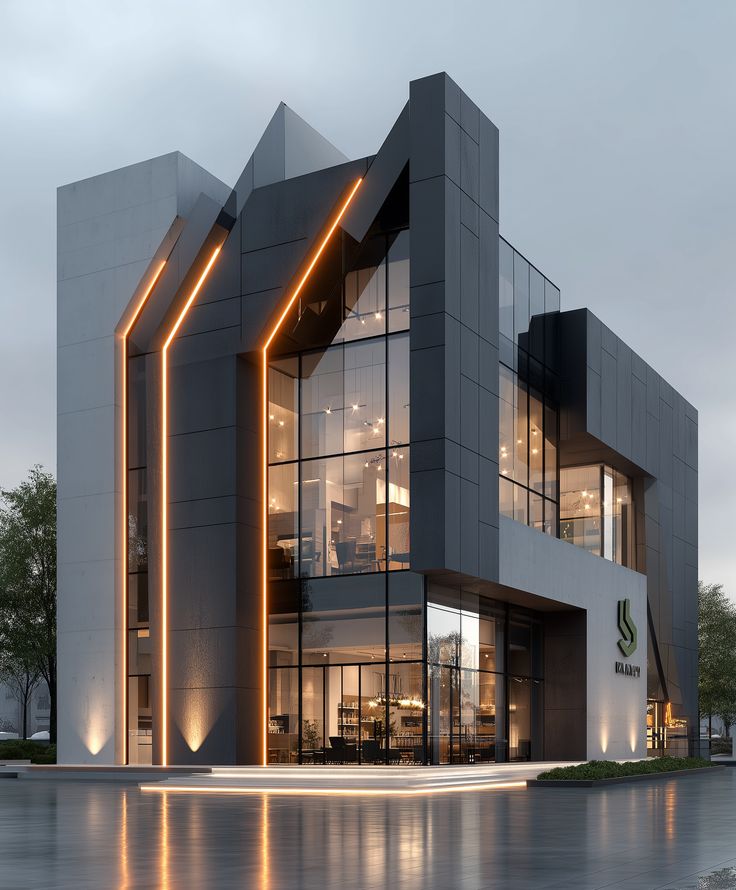
2. Façade Lighting
LED systems are widely used in exterior design.
- Highlight building forms
- Create dynamic effects
- Enhance nighttime identity
3. Feature Lighting
Used to emphasize:
- Materials
- Textures
- Architectural details
Adds depth and visual interest.
4. Smart Lighting Integration
LED systems work seamlessly with smart technologies.
- Dimming control
- Color temperature adjustment
- Automation systems
This improves both user experience and energy efficiency.
Color Temperature and Lighting Quality
LED lighting offers a wide range of color temperatures.
Common options:
- Warm white (2700K–3000K) → cozy environments
- Neutral white (3500K–4000K) → balanced spaces
- Cool white (5000K+) → functional areas
LED technology allows designers to precisely control lighting atmosphere.
LED and Sustainability
LED lighting plays a key role in sustainable architecture.
Environmental benefits:
- Lower energy consumption
- Reduced carbon footprint
- Longer lifespan → less waste
- No harmful materials (like mercury)
LED systems contribute to greener building practices.
LED Lighting in Different Spaces
Residential Spaces
- Indirect lighting for comfort
- Task lighting in kitchens and work areas
- Accent lighting for atmosphere
Commercial Spaces
- Efficient general lighting
- Highlighting products and branding
- Flexible lighting scenarios
Exterior Spaces
- Pathway lighting
- Façade illumination
- Landscape lighting
LEDs perform well in outdoor conditions.
Common Mistakes in LED Lighting Design
Overuse of LED strips
Excessive use can create visual clutter.
Poor color temperature selection
Incorrect choices can disrupt atmosphere.
Lack of planning
Lighting should be integrated early in design.
Low-quality products
Cheap LEDs may flicker or degrade quickly.
The Role of Designers
Interior architects and lighting designers use LED technology to enhance both function and aesthetics.
They:
- Plan lighting strategies
- Select appropriate fixtures
- Integrate lighting into architecture
- Ensure visual and technical balance
LED lighting must be designed—not randomly applied.
Future of LED Technology
LED technology continues to evolve.
Trends:
- Human-centric lighting
- Tunable white systems
- Integration with smart homes
- Energy optimization
Lighting is becoming more adaptive and personalized.
Practical Tips
- Choose high-quality LED products
- Plan lighting early
- Use dimming systems
- Combine with layered lighting
- Avoid excessive brightness
Conclusion: More Than Just Efficiency
LED technology has transformed architectural lighting.
It offers:
- Efficiency
- Flexibility
- Durability
- Design freedom
More importantly, it allows designers to create spaces that are not only functional but also visually compelling and emotionally engaging.