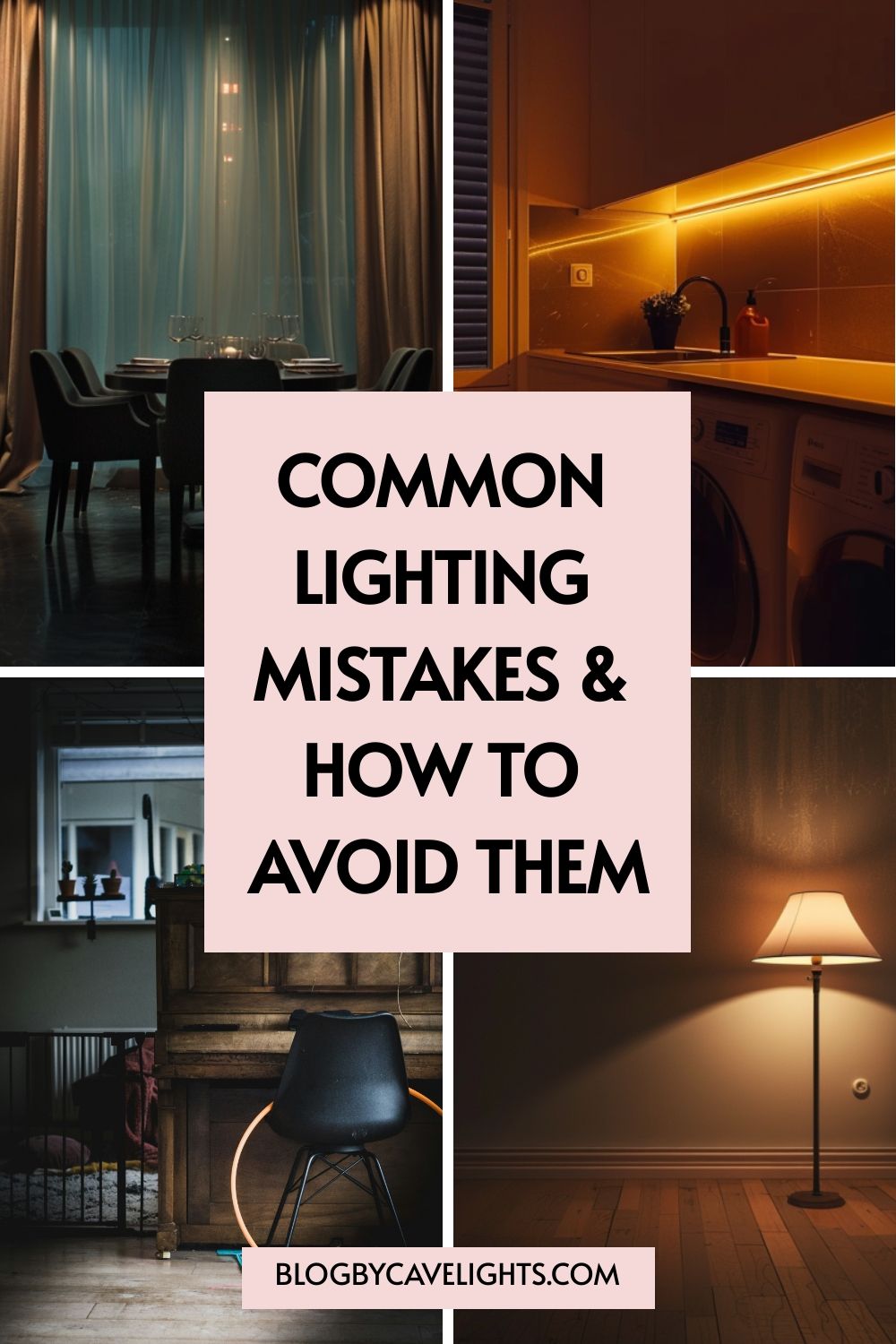
Introduction: When Good Design Fails Because of Lighting
You can have the perfect layout, high-quality materials, and carefully selected furniture—yet the space can still feel uncomfortable, flat, or even unusable. In many cases, the reason is simple: poor lighting design.
Lighting is often underestimated or treated as a final step, added after the main design decisions are already made. This approach leads to mistakes that are difficult and costly to fix later.
Good lighting is not just about visibility. It defines:
- Atmosphere
- Functionality
- Comfort
- Perception of materials
- Overall spatial quality
Understanding common lighting mistakes is the first step toward creating better spaces.
Why Lighting Design Matters
Lighting directly affects how a space is experienced.
Key impacts:
- Functionality: Supports daily activities
- Aesthetics: Enhances design elements
- Mood: Influences emotional response
- Comfort: Reduces eye strain and glare
A well-designed lighting system integrates all these aspects seamlessly.
Most Common Lighting Design Mistakes
1. Relying on a Single Light Source
One of the most frequent mistakes is using only one central light fixture.
Problems:
- Flat and uninteresting lighting
- Lack of depth
- Poor functionality
Solution:
Use layered lighting:
- Ambient lighting
- Task lighting
- Accent lighting
This creates a balanced and dynamic environment.
2. Overlighting the Space
More light does not always mean better lighting.
Problems:
- Visual discomfort
- Harsh atmosphere
- Energy waste
Solution:
- Use dimmers
- Select appropriate light levels
- Focus on quality, not quantity
Lighting should feel comfortable, not overwhelming.
3. Ignoring Task Lighting
Spaces often lack proper lighting for specific activities.
Examples:
- Kitchens without counter lighting
- Workspaces with insufficient illumination
- Bathrooms with poor mirror lighting
Solution:
Provide targeted lighting for each activity.
4. Poor Fixture Placement
Even good fixtures can fail if placed incorrectly.
Problems:
- Shadows on work surfaces
- Uneven lighting distribution
- Glare
Solution:
- Plan fixture positions carefully
- Consider user position and movement
- Test lighting angles
5. Incorrect Color Temperature
Color temperature significantly affects mood and usability.
Common mistake:
Mixing different temperatures randomly.
Solution:
- Use consistent color temperature within a space
- Choose based on function:
- Warm → relaxation
- Neutral → balance
- Cool → productivity
6. Ignoring Natural Light
Designing without considering daylight leads to imbalance.
Problems:
- Over-reliance on artificial lighting
- Inconsistent lighting conditions
Solution:
- Integrate natural and artificial light
- Adapt lighting based on daylight availability
7. Lack of Lighting Control Systems
Fixed lighting reduces flexibility.
Problems:
- Inability to adjust brightness
- Limited adaptability
Solution:
- Install dimmers
- Use smart lighting systems
- Create lighting zones
8. Using Low-Quality Fixtures
Cheap lighting products often result in poor performance.
Problems:
- Flickering
- Color inconsistency
- Short lifespan
Solution:
Invest in high-quality lighting fixtures.
9. Ignoring Material Interaction
Light behaves differently on various surfaces.
Problems:
- Unexpected reflections
- Loss of texture
- Visual imbalance
Solution:
- Test lighting with materials
- Adjust intensity and angle
10. Treating Lighting as an Afterthought
Lighting is often considered too late in the design process.
Problems:
- Limited options
- Compromised design quality
- Higher costs
Solution:
Plan lighting from the beginning.
How to Design Better Lighting
Step 1: Understand the Space
- What is the function?
- Who will use it?
- What activities take place?
Step 2: Create a Lighting Plan
- Define lighting layers
- Identify key areas
- Establish hierarchy
Step 3: Select the Right Fixtures
- Match fixtures to function
- Consider design aesthetics
- Ensure technical compatibility
Step 4: Test and Adjust
- Evaluate lighting conditions
- Adjust intensity and placement
- Ensure comfort
Lighting in Different Spaces
Living Room
- Soft ambient lighting
- Accent lighting for atmosphere
- Task lighting for reading
Kitchen
- Bright task lighting
- Even ambient lighting
Bedroom
- Warm lighting
- Adjustable brightness
Commercial Spaces
- Functional lighting
- Brand-enhancing lighting
- Flexible systems
The Role of Designers
Interior architects and lighting designers ensure that lighting is integrated into the overall design.
They:
- Plan lighting systems
- Coordinate with architecture
- Balance function and aesthetics
Future Trends in Lighting Design
- Smart lighting systems
- Human-centric lighting
- Adaptive lighting solutions
- Sustainable technologies
Lighting is becoming more intelligent and responsive.
Practical Tips
- Always use layered lighting
- Avoid excessive brightness
- Choose consistent color temperature
- Plan lighting early
- Invest in quality
Conclusion: Designing with Light, Not Just Fixtures
Lighting is not just about fixtures—it is about creating an experience.
Avoiding common mistakes allows you to:
- Improve functionality
- Enhance aesthetics
- Increase comfort
Good lighting is invisible when done right—but its impact is undeniable.