Introduction: The Most Powerful Design Element
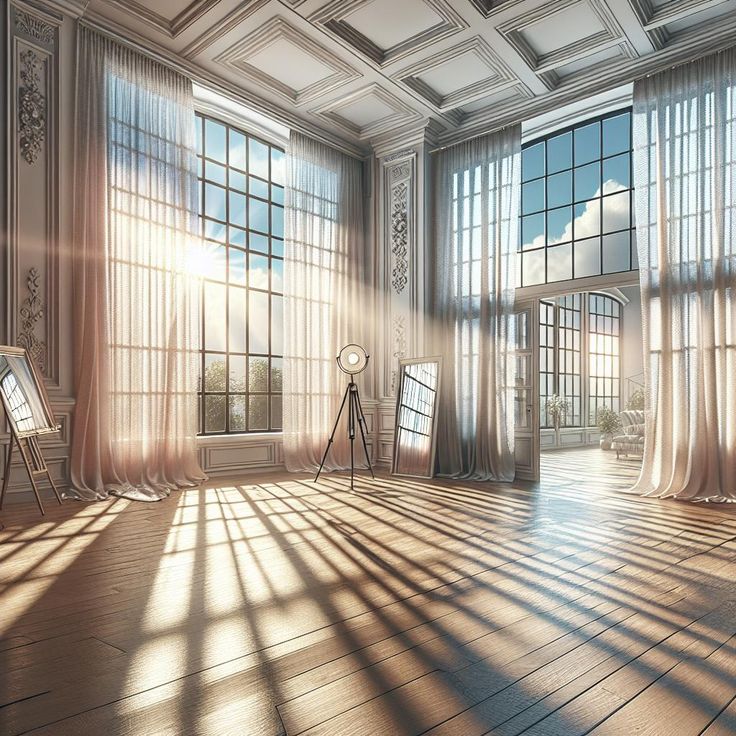
Among all design elements—materials, colors, furniture, and lighting—there is one that stands above the rest in both impact and value: natural light.
Unlike artificial lighting, natural light is dynamic. It changes throughout the day, creates movement within a space, and establishes a connection between interior and exterior environments.
A well-lit space does not just look better—it feels better.
Natural light influences:
- Spatial perception
- Mood and well-being
- Energy efficiency
- Material appearance
In modern architecture and interior design, the intelligent use of daylight is no longer optional—it is essential.
Why Natural Light Matters
Natural light is more than a visual element—it directly affects human experience.
Key benefits:
1. Improved Well-Being
Exposure to daylight supports circadian rhythms, improves mood, and increases productivity.
2. Enhanced Spatial Perception
Daylight makes spaces feel larger, more open, and more inviting.
3. Energy Efficiency
Reducing reliance on artificial lighting lowers energy consumption.
4. Material Enhancement
Natural light reveals true colors and textures, enhancing material quality.
Understanding Daylight in Design
Natural light behaves differently depending on orientation, climate, and time of day.
Key factors:
Orientation
- North-facing → soft and consistent light
- South-facing → strong and direct light
- East-facing → morning light
- West-facing → afternoon intensity
Time of Day
Light changes in intensity and angle, creating dynamic spatial effects.
Seasonal Variation
Sun path shifts throughout the year, affecting light penetration.
Understanding these variables is crucial for effective design.
Strategies for Maximizing Natural Light
1. Window Placement and Size
Windows are the primary source of daylight.
Key considerations:
- Position windows based on orientation
- Use large openings where appropriate
- Balance light intake with heat control
Well-placed windows define the character of a space.
2. Open Floor Plans
Open layouts allow light to travel deeper into the space.
Benefits:
- Improved light distribution
- Reduced need for artificial lighting
- Stronger spatial continuity
Walls can block light—planning openness carefully is essential.
3. Light Reflective Surfaces
Surfaces influence how light spreads.
- Light-colored walls reflect light
- Glossy finishes increase brightness
- Matte textures soften light
Material selection directly impacts light quality.
4. Skylights and Roof Openings
Top lighting introduces daylight from above.
Advantages:
- Even light distribution
- Reduced shadows
- Strong architectural impact
Ideal for areas with limited wall openings.
5. Glass Partitions
Transparent or semi-transparent partitions allow light to pass through spaces.
- Maintains separation without blocking light
- Enhances openness
- Improves visual connectivity
6. Light Control Systems
Too much light can be as problematic as too little.
Solutions:
- Blinds and curtains
- Louvers
- Shading devices
These systems help control glare and heat.
Balancing Natural and Artificial Light
Natural light alone is not always sufficient.
A good design integrates both:
- Daylight for general illumination
- Artificial lighting for consistency and night use
The goal is a seamless transition between natural and artificial lighting.
Natural Light in Different Spaces
Living Areas
- Large windows
- Open layouts
- Soft daylight
Goal: Comfort and openness
Kitchens
- Bright and functional lighting
- Direct light on work surfaces
Goal: Clarity and usability
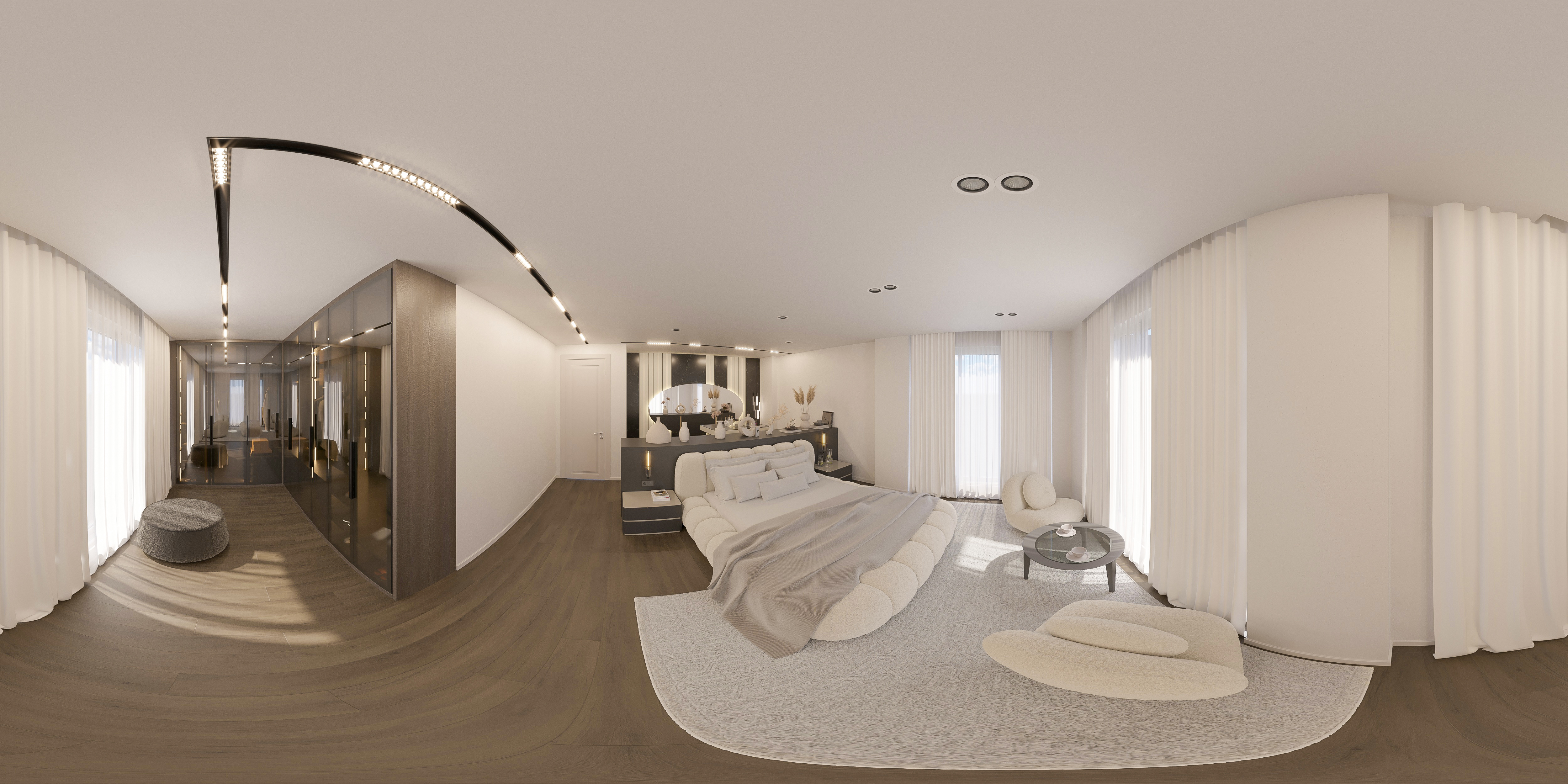
Bedrooms
- Controlled light
- Soft morning light
- Shading for privacy
Goal: Relaxation and rest
Workspaces
- Balanced daylight
- Reduced glare
Goal: Productivity and focus
Common Mistakes in Daylight Design
Excessive sunlight
Too much direct light causes glare and overheating.
Poor orientation
Incorrect building placement reduces daylight efficiency.
Lack of shading
Without control systems, light becomes uncomfortable.
Ignoring material reflection
Dark surfaces absorb light and reduce brightness.
Natural Light and Sustainability
Daylight is a key component of sustainable design.
Environmental benefits:
- Reduced electricity use
- Lower carbon footprint
- Passive heating potential
Buildings designed with daylight in mind are more energy-efficient.
Psychological Impact of Natural Light
Natural light affects how people feel in a space.
- Improves mood
- Reduces stress
- Enhances focus
- Supports healthier living
Spaces with good daylight are perceived as more comfortable and inviting.
Role of Architects and Interior Designers
Both disciplines play a role in daylight design.
- Architects → building orientation, openings
- Interior architects → material selection, layout, light distribution
Collaboration ensures optimal results.
Future Trends in Daylight Design
- Smart glass technology
- Adaptive shading systems
- Integration with smart homes
- Human-centric lighting approaches
Design is becoming more responsive to natural light conditions.
Practical Tips
- Analyze sun orientation early
- Use light colors strategically
- Avoid blocking windows
- Combine with artificial lighting
- Control glare with shading
Conclusion: Designing with Light
Natural light is not just a resource—it is a design element that shapes space, experience, and well-being.
When used correctly, it:
- Enhances spatial quality
- Improves user comfort
- Supports sustainability
In the end, great design is not only about what you build—but how you bring light into it.