Introduction: From Idea to Buildable Reality
Every architectural project begins as an idea—often expressed through sketches, concepts, and visualizations. However, no matter how creative or inspiring a concept may be, it cannot be built without a clear and precise system of communication.
This is where technical drawings become essential.
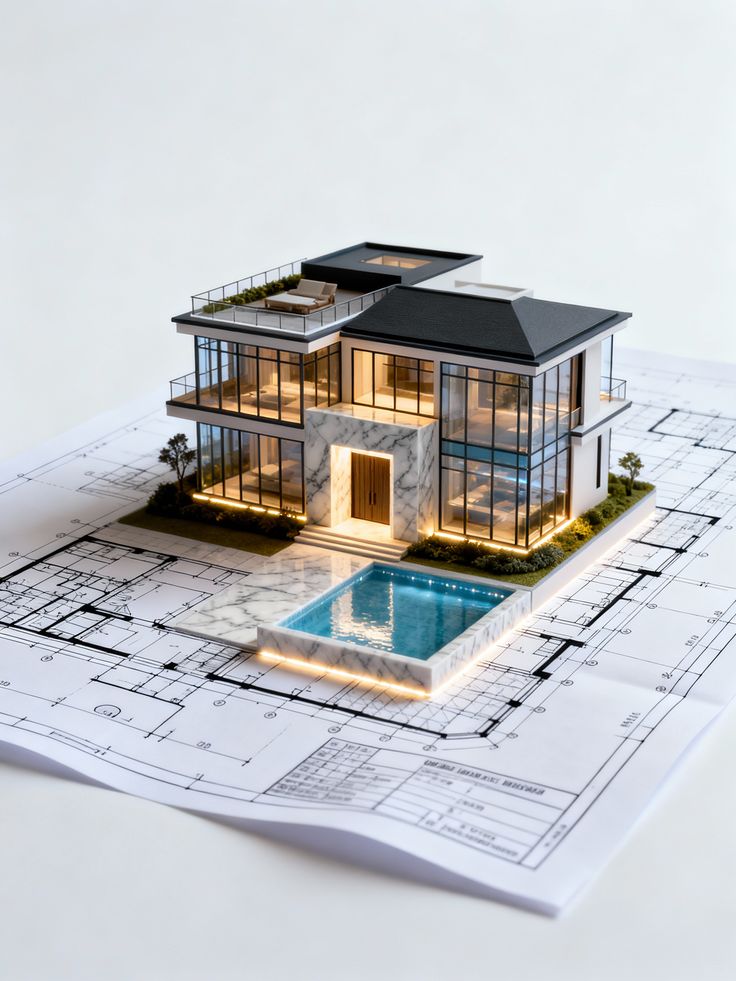
Technical drawings are the bridge between design and construction. They translate abstract ideas into detailed, measurable, and executable instructions. Without them, even the most well-designed project cannot be realized accurately.
In architecture and interior design, technical drawings are not optional—they are the foundation of execution.
What Are Technical Drawings?
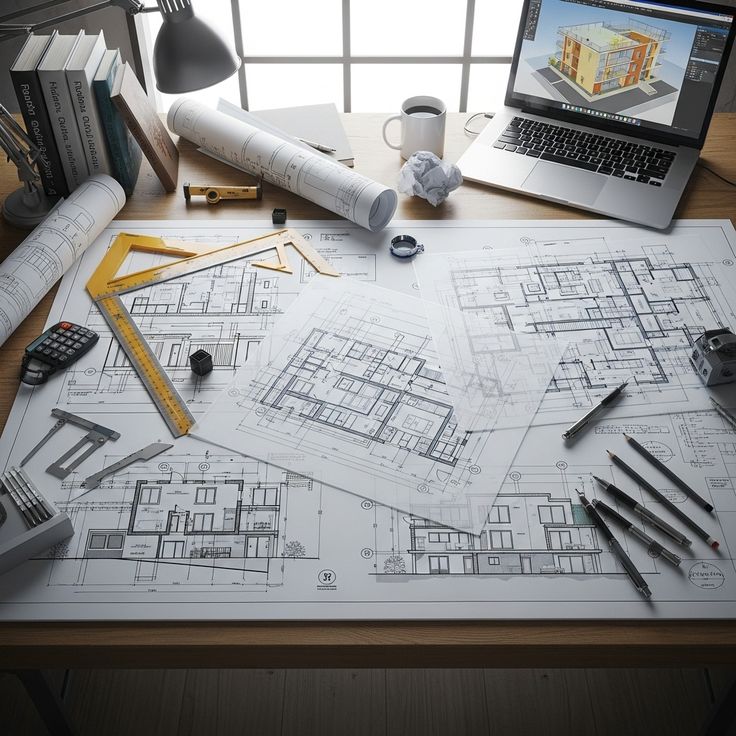
Technical drawings are detailed representations of a design that provide all necessary information for construction and implementation.
They include:
- Dimensions
- Materials
- Construction details
- Assembly instructions
Unlike conceptual drawings, technical drawings focus on precision and clarity rather than artistic expression.
Types of Technical Drawings
1. Floor Plans
Floor plans show the layout of a space from above.
Includes:
- Room dimensions
- Wall locations
- Openings (doors and windows)
- Furniture layout (optional)
They define how space is organized.
2. Sections
Sections cut through a building vertically.
Purpose:
- Show height relationships
- Reveal structural elements
- Explain vertical connections
Sections provide depth and understanding beyond plans.
3. Elevations
Elevations represent vertical surfaces.
Includes:
- Wall finishes
- Openings
- Design details
They show how spaces look from the side.
4. Detail Drawings
Detail drawings focus on specific elements.
Examples:
- Joinery details
- Material connections
- Custom furniture
These drawings ensure precision at small scales.
5. Electrical and Lighting Plans
These drawings define:
- Lighting placement
- Power outlets
- Switch locations
They are essential for functionality.
6. Mechanical and Plumbing Drawings
Include:
- HVAC systems
- Water supply
- Drainage
They ensure systems work efficiently.
Why Technical Drawings Are Critical
1. Clear Communication
Technical drawings act as a universal language between:
- Architects
- Engineers
- Contractors
- Clients
They eliminate ambiguity.
2. Accuracy in Construction
Precise drawings ensure:
- Correct dimensions
- Proper material use
- Accurate installation
Mistakes in drawings lead to costly errors on site.
3. Coordination Between Disciplines
Projects involve multiple teams.
Technical drawings help coordinate:
- Structural systems
- Electrical systems
- Interior elements
This prevents conflicts during construction.
4. Cost Control
Accurate drawings help:
- Estimate materials
- Plan budgets
- Avoid unnecessary expenses
Poor documentation often leads to budget overruns.
5. Time Efficiency
Clear instructions reduce delays.
- Faster decision-making
- Fewer revisions
- Smoother construction process
Technical Drawings vs 3D Visualization
Many clients rely heavily on 3D visuals, but these serve a different purpose.
3D Visualization:
- Shows appearance
- Helps with design understanding
Technical Drawings:
- Provide construction details
- Enable execution
Both are important, but only technical drawings make a project buildable.
The Role of Detail in Technical Drawings
The level of detail directly affects project quality.
High-detail drawings:
- Reduce errors
- Improve execution
- Ensure consistency
Low-detail drawings:
- Create confusion
- Lead to on-site improvisation
- Reduce design quality
Detail is where design meets reality.
Common Mistakes in Technical Documentation
Incomplete drawings
Missing information leads to guesswork.
Lack of coordination
Different systems may conflict.
Poor dimensioning
Incorrect measurements cause major issues.
Overcomplication
Too much unnecessary detail can confuse execution teams.
The Role of Architects and Interior Architects
Design professionals are responsible for producing accurate technical drawings.
They:
- Translate concepts into detailed plans
- Coordinate with consultants
- Ensure buildability
- Maintain design integrity
Their role is critical in bridging design and construction.
Digital Tools in Technical Drawing
Modern technology has transformed technical documentation.
Common tools:
- CAD software
- BIM (Building Information Modeling)
- 3D modeling tools
Benefits:
- Higher accuracy
- Better coordination
- Faster revisions
Technology improves efficiency and precision.
Technical Drawings in Different Project Types
Residential Projects
Focus:
- Layout clarity
- Material details
- Furniture integration
Commercial Projects
Focus:
- Systems coordination
- High detail level
- Efficiency
Large-Scale Projects
Focus:
- Complex coordination
- Multi-disciplinary integration
- Detailed documentation
Practical Tips for Better Technical Drawings
- Keep drawings clear and readable
- Include all necessary dimensions
- Coordinate between disciplines
- Use standardized symbols
- Review drawings before execution
Future of Technical Drawings
- BIM-based workflows
- Real-time collaboration
- Integration with construction technologies
- Automated documentation systems
Technical drawings are becoming more intelligent and connected.
Conclusion: Precision is the Key to Success
Technical drawings are the backbone of any architectural project.
They ensure:
- Accuracy
- Coordination
- Efficiency
- Quality execution
Without them, design remains only an idea.
With them, design becomes reality.