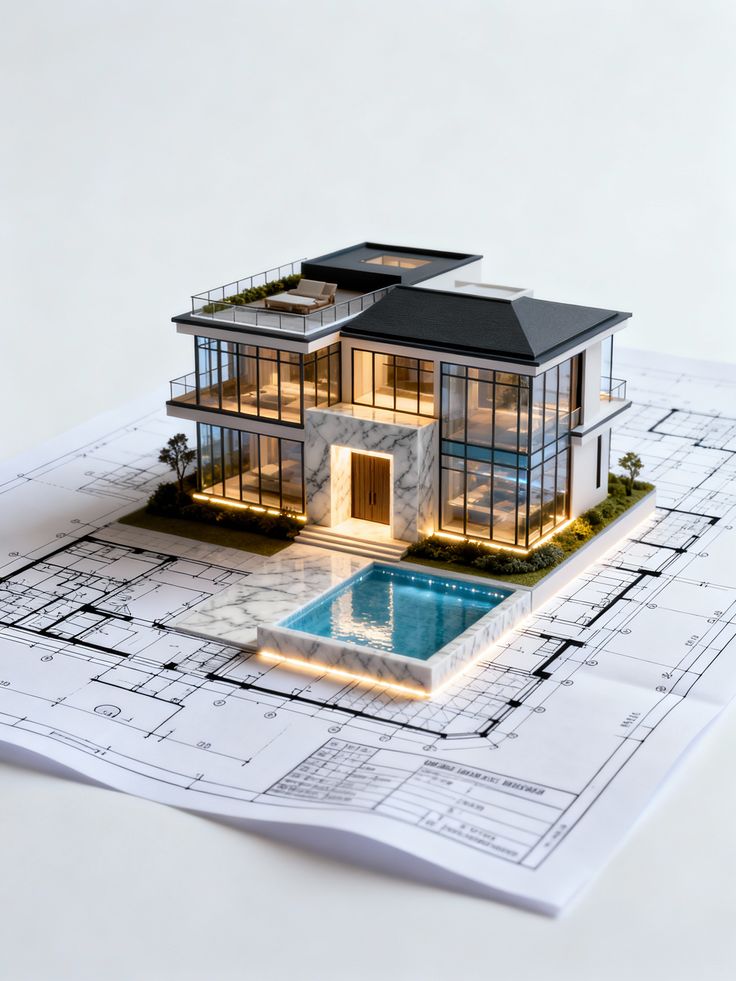
Lighting is not just illumination.
It’s atmosphere.
It’s function.
It’s experience.
What is layered lighting?
Simply put:
→ using multiple light sources together
Not one light but a combination.
Three main layers define lighting
Each one has a role.
1. Ambient lighting (general light)
This is the base layer.
- provides overall visibility
- defines the brightness of the space
- usually ceiling-based
Without it, nothing works.
2. Task lighting (functional light)
Focused and practical.
- kitchen counters
- desks
- reading areas
It supports specific actions.
3. Accent lighting (atmosphere)
This is where design speaks.
- wall washing
- hidden LED strips
- object highlighting
It creates depth and emotion.
Why layering matters
Single-source lighting flattens space.
Layered lighting creates:
- dimension
- contrast
- visual hierarchy
The space feels alive.
Balance is everything
Too much light → harsh
Too little light → insufficient
The goal:
→ controlled illumination
Light direction changes perception
- upward light expands space
- downward light focuses attention
- indirect light softens the environment
Light is not neutral it shapes space.
Common mistake
Relying only on ceiling lights.
This creates:
- flat visuals
- uncomfortable shadows
- poor atmosphere
Good lighting is flexible
Different times → different needs.
- day vs night
- work vs relaxation
Layered systems allow adjustment.
Arkethane perspective
At Arkethane, lighting is not an addition.
It’s part of the design from the beginning.
Because a space is not complete until it is properly lit.