Introduction: Two Disciplines, One Shared Goal
In the design world, the terms architecture and interior architecture are often used as if they mean the same thing. In everyday conversation, many clients assume that an architect naturally handles every aspect of a building, from structural form to furniture layout, lighting mood, storage solutions, and finish materials. On the other side, some people reduce interior architecture to nothing more than decoration or styling. Both assumptions miss the real value of these disciplines.
The truth is more nuanced and far more interesting.
Architecture and interior architecture are deeply connected, but they are not identical. They overlap, influence each other, and often work toward the same final objective: creating spaces that function well, feel right, and endure over time. Yet each discipline approaches that objective from a different angle, scale, and technical perspective.
Architecture primarily deals with the building as a whole. It asks questions like:
- How will this structure stand?
- How will it relate to its environment?
- How should the building mass be shaped?
- How can natural light, circulation, climate, regulations, and structure come together in a coherent form?
Interior architecture, by contrast, focuses on the user’s direct experience inside the built environment. It asks questions such as:
- How will people move through this space?
- How should rooms connect functionally?
- Which materials should be used where?
- How can lighting, texture, proportion, storage, and comfort create a better daily experience?
That distinction matters much more than it may seem at first.
For clients, understanding the difference between architecture and interior architecture can lead to better hiring decisions, clearer communication, fewer mistakes, and more successful project outcomes. For design professionals, this distinction defines responsibility, workflow, collaboration, and technical scope. For end users, it ultimately determines whether a space feels merely acceptable or truly complete.
In modern residential, commercial, and hospitality projects, the best results rarely come from treating these disciplines separately. Instead, success often depends on understanding how they interact from the very beginning of the design process. When architecture and interior architecture are aligned, projects feel intentional from outside to inside. When they are disconnected, even expensive buildings can feel unresolved, awkward, or inefficient.
This article explores the difference between architecture vs interior architecture, explains how each discipline influences the design process, and shows why collaboration between the two is essential in contemporary projects.
What Is Architecture?
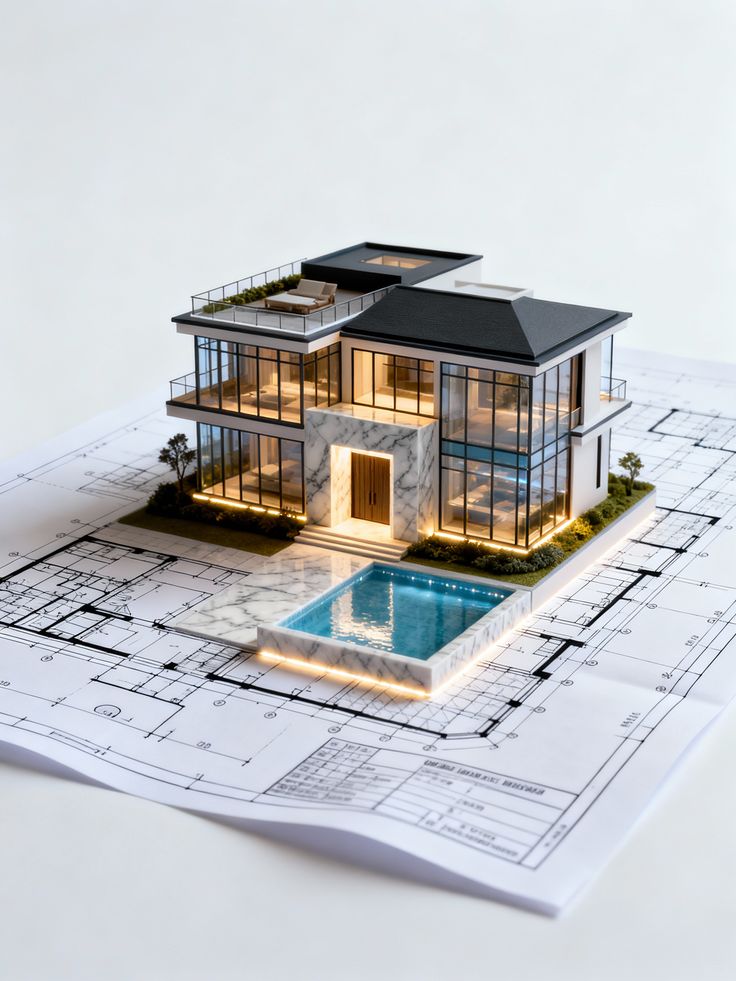
Architecture is the discipline of designing buildings and built environments at the structural, spatial, and contextual level. It combines creativity with technical knowledge, transforming ideas into physical forms that meet functional needs, legal requirements, and environmental conditions.
At its core, architecture is concerned with the macro scale of design. It looks at the bigger picture:
- The site
- The building mass
- Structural systems
- Façade composition
- Building orientation
- Climate response
- Public and private relationships
- Urban context
- Regulations and codes
Architecture is not only about making buildings look good. It is about creating coherent, buildable, durable, and meaningful structures that respond to both practical and cultural needs.
Key responsibilities of architecture include:
- Site analysis and planning
- Building massing and form development
- Structural coordination
- Code and regulation compliance
- Environmental integration
- Façade design
- Relationship between interior and exterior volumes
- Circulation at the building scale
- Coordination with engineers and consultants
An architect determines how a project sits on the land, how it addresses the street, how it receives light, how it handles climate, how users enter and move through it, and how it meets technical and legal requirements.
In simple terms, architecture creates the framework of the experience.
Without strong architectural planning, even the most refined interior solution can struggle. Poor orientation, incorrect structural decisions, weak circulation, improper ceiling heights, bad core placement, or inflexible layouts can limit everything that happens later inside the building.
That is why architecture should never be understood as “just the shell.” The shell defines possibility.
What Is Interior Architecture?
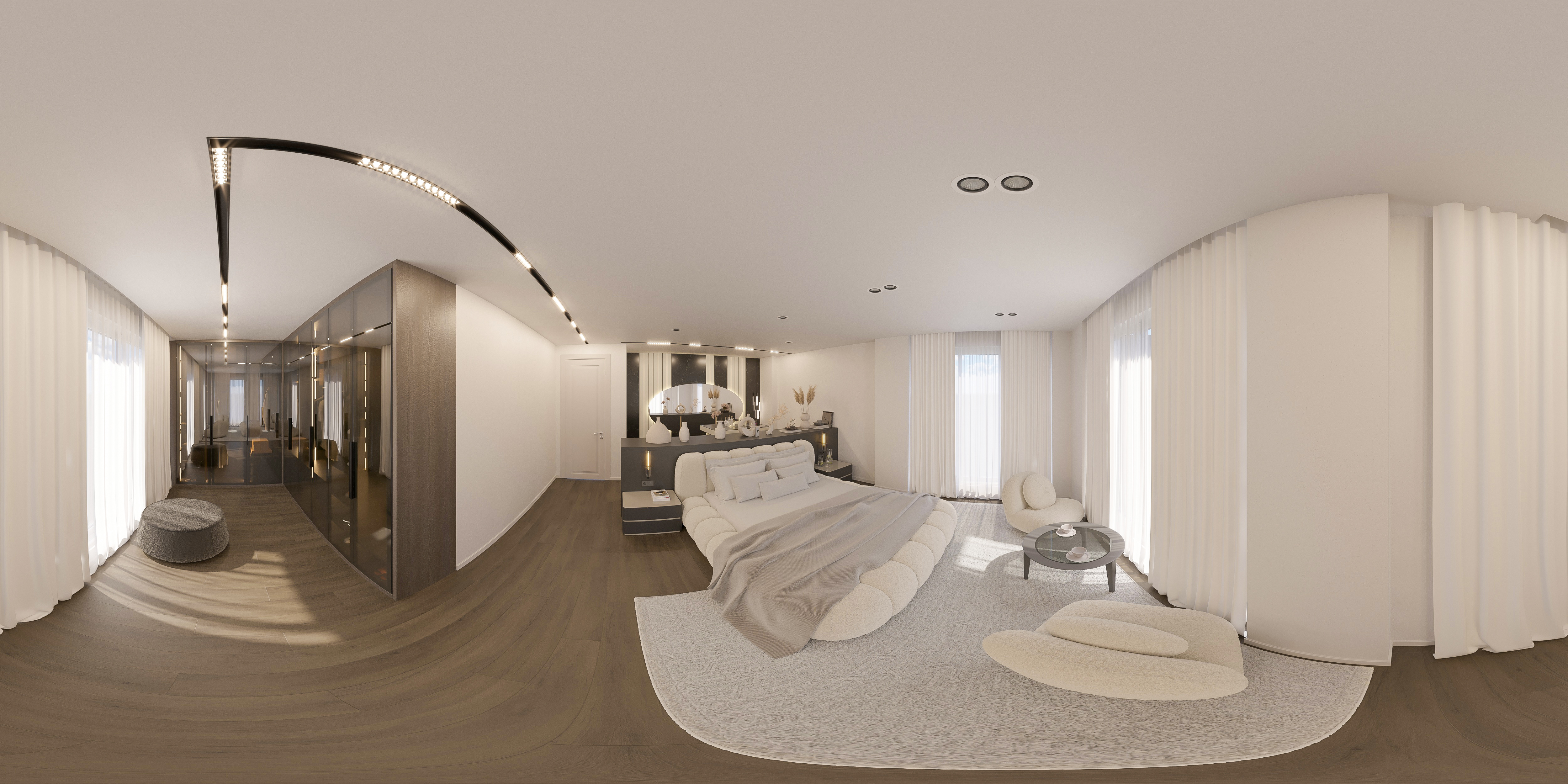
Interior architecture is the discipline that shapes interior space through function, proportion, circulation, materiality, lighting, and human-centered experience. It goes far beyond decoration. In fact, reducing interior architecture to decoration is one of the biggest misconceptions in the design industry.
Interior architecture works at the human scale. It focuses less on the building as an object and more on the way people live, work, move, interact, and feel within the space.
This includes much more than furniture placement. Interior architecture deals with:
- Spatial planning
- Interior zoning
- User comfort
- Material selection
- Surface continuity
- Built-in design
- Joinery details
- Lighting strategy
- Ceiling and wall systems
- Wet area solutions
- Storage integration
- Ergonomics
- Atmosphere and identity
Where architecture asks, “How should this building be formed?” interior architecture asks, “How should this space be experienced?”
Key responsibilities of interior architecture include:
- Space planning and room relationships
- Interior circulation and usability
- Material and finish selection
- Lighting design within interior spaces
- Built-in furniture and storage systems
- Detail design and user-oriented solutions
- Atmosphere creation through scale, texture, and light
- Interior technical documentation
- Coordination with production and application teams
Interior architecture transforms an architectural volume into a place that supports life.
A well-designed building with a weak interior solution often feels incomplete. It may photograph well from the outside yet fail in daily use. Rooms may feel awkward, storage may be insufficient, materials may not suit the function, circulation may be uncomfortable, and lighting may weaken the mood rather than strengthen it.
Interior architecture is what turns square meters into experience.
Architecture vs Interior Architecture: The Core Difference
The simplest way to understand the difference is this:
- Architecture creates the building.
- Interior architecture shapes the experience within it.
Of course, that statement is useful but still incomplete. To understand the distinction more clearly, it helps to compare the two disciplines across several categories.
1. Scale of Design
Architecture typically works on the larger scale. It handles the building envelope, structural layout, façade language, site conditions, and environmental response.
Interior architecture works on the smaller, more immediate scale. It handles proportions within rooms, user movement, finish transitions, furniture integration, tactile experience, and everyday functionality.
2. Primary Focus
Architecture focuses on structure, form, and external identity.
Interior architecture focuses on usability, atmosphere, and internal quality.
3. Technical Priorities
Architecture is often driven by structural coordination, building systems, massing, access, safety, and legal compliance.
Interior architecture is often driven by ergonomics, material behavior, light quality, detailing, storage needs, comfort, and behavioral patterns.
4. Relationship to the User
Architecture influences the user at the level of entry, orientation, building image, and spatial hierarchy.
Interior architecture influences the user at the level of daily contact: sitting, walking, cooking, working, resting, waiting, shopping, meeting, and living.
5. Design Language
Architecture defines the broad language of the building.
Interior architecture refines that language into close-up experience.
Why People Often Confuse These Disciplines
There are several reasons why architecture and interior architecture are so often confused.
Overlap in terminology
Both fields deal with space, planning, and design, so the difference may not seem obvious to clients.
Visual similarities
Many published projects present architecture and interiors together, making them appear as one unified service.
Incomplete public understanding
People outside the industry often see only the visual outcome, not the technical process behind it.
Historical misconceptions
Interior-related work has long been undervalued in some markets and incorrectly categorized as decoration.
Integrated studios
Many contemporary firms offer both architecture and interior architecture under one brand, which is excellent for project quality but can blur disciplinary distinctions.
This confusion is understandable, but it becomes problematic during real projects. When responsibilities are unclear, miscommunication increases. Clients may expect one professional to solve issues that actually belong to another area of expertise. This leads to delays, budget revisions, inconsistent results, and frustration for everyone involved.
How Architecture Shapes the Design Process
Architecture influences the design process from the earliest stage. Even before a material palette or furniture concept is discussed, architectural decisions start shaping the project’s limits and opportunities.
Site and Context Analysis
Every strong project begins with understanding the site.
Architectural analysis considers:
- Topography
- Access points
- Sun orientation
- Climate
- Surrounding structures
- Views
- Privacy conditions
- Legal restrictions
- Local building regulations
These decisions affect everything that follows. For example, a building positioned incorrectly on the site may reduce natural light in key interior zones. Poor orientation may lead to glare, overheating, or underused areas.
Massing and Form Development
The overall volume of the building determines ceiling heights, room proportions, façade openings, and relationships between spaces.
At this stage, architecture decides:
- Building footprint
- Number of floors
- Structural rhythm
- Window distribution
- Void placement
- Exterior silhouette
A strong massing strategy can create dramatic and useful interiors. A weak one can force the interior team into endless correction work.
Structural Coordination
Columns, beams, spans, and load-bearing walls are not just engineering concerns. They directly affect interior flexibility.
An architect’s structural decisions influence:
- Open-plan possibilities
- Partition locations
- Furniture placement
- Ceiling design
- Mechanical system coordination
- Visual continuity
Good architecture anticipates interior needs, not just engineering efficiency.
Access and Circulation
Architecture establishes the major routes of movement:
- Main entrances
- Vertical circulation
- Public/private separation
- Core locations
- Fire exits
- Service access
These routes create the fundamental organizational logic of the building. Interior architecture can refine and enrich circulation, but the base order usually begins at the architectural level.
How Interior Architecture Shapes the Design Process
Once the architectural framework is established, interior architecture translates the structure into lived experience.
Spatial Planning
One of the most important contributions of interior architecture is spatial planning.
This includes:
- Room relationships
- Functional zoning
- User flow
- Visual openness or privacy
- Daily movement patterns
- Furniture logic
- Storage integration
A plan may look efficient on paper yet fail in real life if interior functionality is not considered carefully.
For example, in a residence:
- A kitchen may be large enough but still poorly organized.
- A bedroom may fit a bed but lack comfortable circulation.
- A bathroom may meet dimensions but feel cramped due to poor fixture placement.
Interior architecture solves these real-life issues.
Human-Centered Design
Interior architecture constantly asks: how will this actually feel to use?
That perspective includes:
- Ergonomic dimensions
- Behavioral habits
- Accessibility
- Sightlines
- Comfort
- Acoustic awareness
- Emotional atmosphere
This is especially important in spaces such as:
- Homes
- Offices
- Restaurants
- Hotels
- Retail environments
- Clinics
- Workspaces
A successful space must support behavior, not just impress visually.
Material and Surface Strategy
Materials are one of the most visible and tactile parts of the interior experience. Interior architecture determines where and why each material should be used.
This involves balancing:
- Aesthetics
- Durability
- Maintenance
- Cost
- Mood
- Technical suitability
A polished marble surface may look impressive, but it may not be the right choice for every user or function. A matte textured finish may perform better in some contexts. Interior architects evaluate such decisions in relation to actual use.
Lighting and Atmosphere
Architecture determines access to daylight. Interior architecture determines how that light is experienced and how artificial light completes the space.
Interior lighting design includes:
- Ambient lighting
- Task lighting
- Accent lighting
- Indirect lighting
- Decorative integration
- Mood creation
- Highlighting texture and form
Lighting is one of the strongest tools for transforming a functional room into a memorable environment.
Why the Difference Matters in Real Projects
Some clients assume the difference between architecture and interior architecture is theoretical. In reality, it has a very practical impact on project quality.
Better planning
When both roles are understood clearly, the project can be planned more effectively from the start.
Fewer costly revisions
Many project problems happen because interior needs were not considered during architectural planning.
More realistic budgeting
Architecture and interior architecture involve different scopes, materials, detailing levels, and implementation needs.
Stronger visual consistency
When both disciplines are aligned, the project feels complete inside and out.
Better end-user experience
A building can be structurally sound and visually attractive, but if the interior fails functionally, the user experience suffers immediately.
Clients often notice this too late, especially after construction starts. That is why understanding roles at the beginning is so important.
The Most Common Misconceptions
“Interior architecture is just decoration”
This is perhaps the most widespread misconception. Decoration may be one layer of design, but interior architecture is far more comprehensive. It includes technical drawings, spatial logic, ergonomics, detailing, and material performance.
“Architects can do everything alone”
Some architects do have strong interior sensitivity, and some firms provide both services exceptionally well. But that does not mean the disciplines are identical. Large or detail-sensitive projects often benefit significantly from dedicated interior architectural expertise.
“Interior decisions can be made later”
This is one of the most expensive mistakes in project development. If interior needs are postponed until late stages, structural, mechanical, or circulation decisions may already limit better solutions.
“A beautiful façade guarantees a successful project”
Not at all. If the space does not work well from the inside, the project will not perform successfully in daily life.
Collaboration: Where the Best Projects Happen
The strongest projects emerge when architecture and interior architecture are considered together, not in sequence as disconnected phases.
What good collaboration looks like
- The architectural concept already considers interior quality
- Structural decisions support interior flexibility
- Window placement supports furniture and user experience
- Mechanical systems are coordinated with ceiling and lighting design
- Material language feels continuous from exterior to interior
- Spatial identity remains coherent throughout the project
Benefits of integrated collaboration
- Higher design quality
- Reduced conflict during construction
- Better time management
- More efficient documentation
- Stronger brand or residential identity
- Greater long-term satisfaction
In many premium residential and commercial projects, early collaboration is no longer optional. It is the standard for achieving refined results.
Residential Projects: Why the Difference Matters Even More
In residential design, users interact with the space every day, often for years. That makes the architecture vs interior architecture distinction especially important.
Architecture affects:
- Site placement
- View orientation
- Natural light access
- Overall room arrangement
- Structural logic
- Outdoor connection
Interior architecture affects:
- Kitchen usability
- Bedroom comfort
- Bathroom planning
- Storage efficiency
- Lighting atmosphere
- Daily movement
- Furniture integration
A house is not successful only because it looks elegant in photographs. It must support morning routines, family interaction, quiet time, storage habits, work-from-home needs, and long-term comfort. Interior architecture is often what makes a house truly livable.
Commercial Projects: Function, Brand, and Experience
In commercial design, the relationship between architecture and interior architecture becomes even more strategic.
Architecture influences:
- Public image
- Access and visibility
- Façade presence
- Building identity
- Site integration
Interior architecture influences:
- Customer flow
- Brand expression
- Display strategy
- Waiting experience
- Staff efficiency
- Mood and memorability
In retail, hospitality, office, and showroom environments, the interior directly affects business performance. A commercial project may attract attention through architecture, but conversion, comfort, and brand recall often happen through the interior experience.
How Technology Is Changing the Relationship
Contemporary design tools have made the collaboration between architecture and interior architecture more integrated than ever.
3D modeling and BIM
Shared digital environments improve coordination across structure, systems, and interiors.
Photorealistic visualization
Clients can understand the relationship between architecture and interiors much earlier.
Virtual walkthroughs
Design teams can evaluate spatial experience before construction begins.
Parametric and performance-based tools
These help optimize both building form and interior quality simultaneously.
Technology does not erase the distinction between the disciplines, but it makes their collaboration more precise, visible, and efficient.
The Future of Design Is Holistic
The future of architecture and interior architecture is not separation. It is intelligent integration.
Users no longer evaluate projects only by their façade or square meter count. They care about:
- Comfort
- Identity
- Well-being
- Functionality
- Light quality
- Material honesty
- Sustainability
- Flexibility
- Experience
This pushes design professionals toward more holistic thinking.
A successful project today must work on every level:
- Urban level
- Building level
- Room level
- Detail level
- Human level
Architecture and interior architecture each contribute essential expertise to that layered success.
Practical Takeaways for Clients
If you are planning a project, here are the most important points to remember:
Know what each discipline contributes
Do not assume one title automatically covers every design need.
Involve interior thinking early
Even if the interior work comes later, interior logic should influence early planning.
Value function as much as image
A strong project must work beautifully, not just look beautiful.
Ask how teams collaborate
The quality of the collaboration often determines the quality of the result.
Think long term
Good architecture creates value. Good interior architecture improves everyday life.
Conclusion: Structure and Experience Must Work Together
Architecture and interior architecture are not competing disciplines. They are complementary parts of a complete design process.
Architecture provides:
- Form
- Structure
- Context
- Spatial framework
Interior architecture provides:
- Function
- Atmosphere
- Material richness
- Human-centered experience
One without the other often leads to compromise. Strong architecture without thoughtful interiors can feel cold or incomplete. Refined interiors without a coherent architectural foundation can feel forced or limited.
The best projects are those in which both disciplines are respected, clearly understood, and developed together from the beginning.
In the end, people do not experience a building only from the street. They experience it through movement, light, touch, comfort, routine, memory, and use. That is why understanding the difference between architecture and interior architecture matters so much.
Architecture defines the building.
Interior architecture defines how life unfolds within it.
And truly successful design always needs both.