Introduction: Choosing the Right Surface Material
In interior architecture and design, surface materials play a critical role in both aesthetics and performance. Among the most commonly used materials are marble, granite, quartz, and porcelain—each offering unique characteristics, advantages, and limitations.
Choosing the right one is not just a visual decision. It directly affects:
- Durability
- Maintenance
- Cost
- Functionality
- Long-term performance
Understanding where and how to use each material is essential for creating a successful design.
Overview of the Four Materials
Before comparing them, it’s important to understand what each material is.
Marble
A natural stone known for its elegance and unique veining patterns.
Granite
A natural stone that is highly durable and resistant to wear.
Quartz
An engineered material made from natural quartz combined with resins.
Porcelain
A manufactured ceramic material with high durability and versatility.
Marble: Elegance and Timeless Appeal
Marble is often associated with luxury and sophistication.
Characteristics:
- Unique natural patterns
- Smooth surface
- Soft compared to other stones
Advantages:
- High aesthetic value
- Timeless appearance
- Ideal for statement surfaces
Disadvantages:
- Prone to scratches and stains
- Requires maintenance
- Sensitive to acids
Best applications:
- Feature walls
- Bathroom surfaces
- Low-traffic areas
- Decorative elements
Marble is best used where visual impact is more important than heavy durability.
Granite: Strength and Durability
Granite is one of the most durable natural stones.
Characteristics:
- Dense structure
- High resistance to scratches and heat
- Natural variations
Advantages:
- Extremely durable
- Suitable for heavy use
- Heat-resistant
Disadvantages:
- Limited design consistency
- Heavier than other materials
Best applications:
- Kitchen countertops
- Flooring in high-traffic areas
- Outdoor applications
Granite is ideal for spaces where performance is critical.
Quartz: Consistency and Performance
Quartz is an engineered material designed for both aesthetics and functionality.
Characteristics:
- Uniform appearance
- Non-porous surface
- Wide color range
Advantages:
- Low maintenance
- Stain-resistant
- Consistent design
Disadvantages:
- Less natural appearance
- Not as heat-resistant as granite
Best applications:
- Kitchen countertops
- Bathroom surfaces
- Modern interiors
Quartz offers a balance between durability and design control.
Porcelain: Versatility and Innovation
Porcelain has become increasingly popular due to its versatility.
Characteristics:
- Thin yet strong
- Available in large formats
- Can mimic natural materials
Advantages:
- Highly durable
- Water-resistant
- UV-resistant (suitable for outdoors)
- Low maintenance
Disadvantages:
- Can feel less “natural”
- Installation requires precision
Best applications:
- Flooring
- Wall cladding
- Kitchen and bathroom surfaces
- Exterior facades
Porcelain is one of the most flexible materials in modern design.
Key Differences at a Glance
Durability:
- Granite → highest
- Porcelain → very high
- Quartz → high
- Marble → moderate
Maintenance:
- Quartz → low
- Porcelain → low
- Granite → moderate
- Marble → high
Aesthetic:
- Marble → most unique
- Quartz → most consistent
- Porcelain → most versatile
- Granite → natural variation
Cost:
- Marble → high
- Granite → medium-high
- Quartz → medium
- Porcelain → varies
How to Choose the Right Material
1. Based on Function
- High-use areas → granite or porcelain
- Low-use areas → marble
- Balanced use → quartz
2. Based on Maintenance
- Low maintenance → quartz, porcelain
- High maintenance acceptable → marble
3. Based on Design Style
- Luxury → marble
- Modern → quartz
- Industrial/minimal → porcelain
- Natural → granite
4. Based on Budget
Material cost varies significantly depending on quality and application.
Material Combinations
Combining materials can enhance design.
Examples:
- Marble + wood → warm luxury
- Quartz + metal → modern style
- Porcelain + glass → clean and minimal
Mixing materials adds depth and contrast.
Common Mistakes
Choosing based only on appearance
Performance should always be considered.
Using marble in high-traffic areas
Leads to damage and maintenance issues.
Ignoring installation quality
Even the best material fails with poor installation.
Overusing one material
Creates monotony.
Role of Interior Architects
Interior architects help select materials based on:
- Function
- Design concept
- Budget
- Technical requirements
They ensure materials work both visually and practically.
Future Trends
- Large-format porcelain panels
- Sustainable materials
- Hybrid surfaces
- Digital printing technologies
Material innovation continues to expand possibilities.
Practical Tips
- Always match material to function
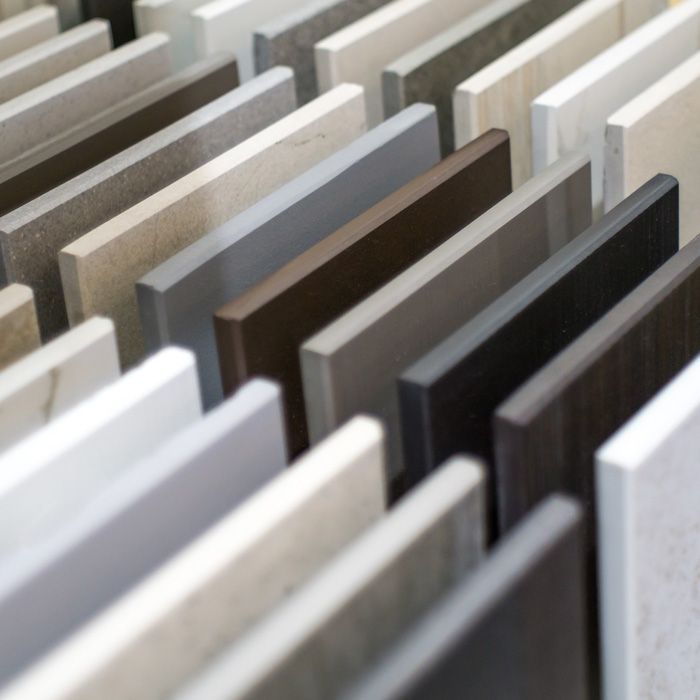
- Test samples before final decision
- Consider long-term maintenance
- Work with experienced professionals
Conclusion: The Right Material in the Right Place
Each material—marble, granite, quartz, and porcelain—has its strengths.
The key is not choosing the “best” material, but choosing the right material for the right application.
When used correctly, these materials:
- Enhance design
- Improve durability
- Increase long-term value
Material selection is one of the most important steps in creating successful spaces.