Introduction: Why Minimalism Still Matters
In today’s fast-paced and visually overloaded world, minimalism in architecture has become more relevant than ever. It is not just a design trend—it is a response to complexity, excess, and distraction.
Minimalist architecture is built on a powerful idea:
Remove what is unnecessary to reveal what truly matters.
This philosophy creates spaces that are:
- Calm
- Functional
- Timeless
- Highly intentional
But minimalism is often misunderstood. Many assume it means empty spaces, cold environments, or lack of creativity. In reality, it requires more discipline, more precision, and more design intelligence than many other styles.
What is Minimalist Architecture?
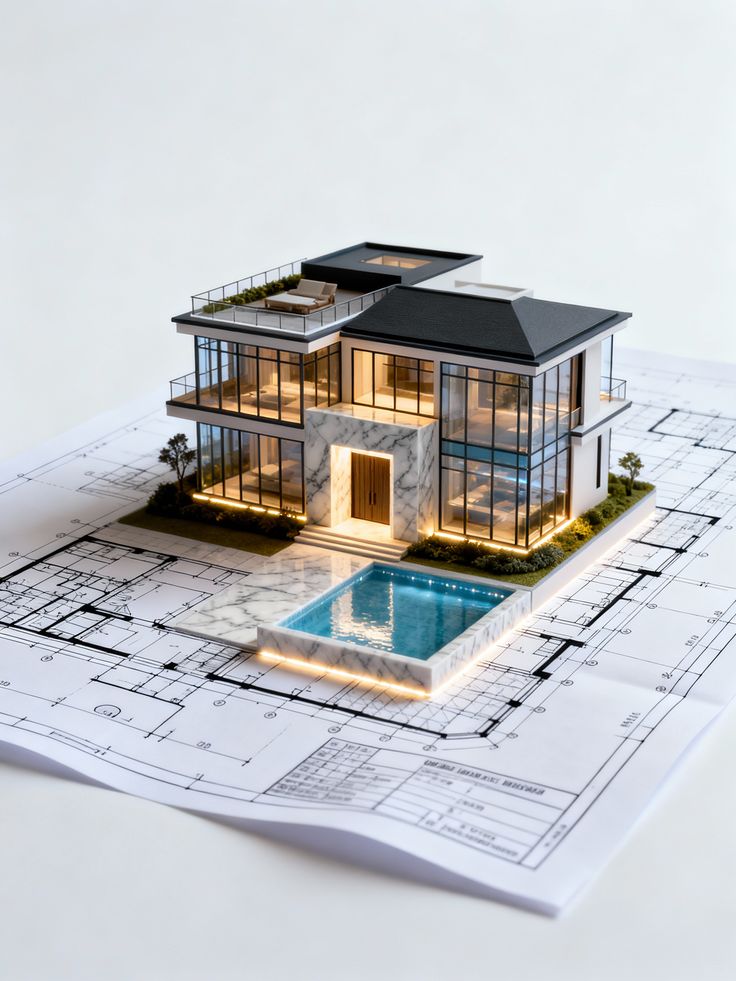
Minimalist architecture is a design approach that prioritizes simplicity, clarity, and functionality. It eliminates unnecessary elements and focuses on essential components such as space, light, proportion, and material.
Core characteristics:
- Clean and simple geometries
- Limited color palette (often neutral tones)
- Open and uncluttered layouts
- High-quality materials used intentionally
- Strong relationship with natural light
Minimalism is not about doing less work—it is about making every decision count.
The Philosophy Behind Minimalism
Minimalism is deeply rooted in modernist principles, especially the idea introduced by Ludwig Mies van der Rohe:
“Less is more.”
This statement is not about reduction alone. It is about refinement.
Minimalist architecture aims to:
- Remove visual noise
- Highlight spatial quality
- Emphasize proportion and balance
- Create a sense of calm and order
It is a philosophy that values clarity over complexity.
Key Principles of Minimalist Architecture
1. Simplicity in Form
Minimalist buildings often rely on pure geometric forms.
- Rectangular volumes
- Flat surfaces
- Clear edges
- Minimal articulation
The goal is not to impress through complexity but through precision and proportion.
2. Function as a Priority
Functionality is at the core of minimalist design.
- Every space has a clear purpose
- Circulation is simple and logical
- Layouts avoid unnecessary fragmentation
In minimalist architecture, there is no room for elements that do not serve a function.
3. Material Honesty
Materials are used in their natural form without unnecessary decoration.
Common materials include:
- Concrete
- Steel
- Glass
- Natural wood
Instead of hiding materials, minimalism celebrates their texture, color, and authenticity.
4. The Power of Natural Light
Light plays a central role in minimalist design.
- Large windows and openings
- Carefully positioned voids
- Soft transitions between light and shadow
Natural light replaces ornamentation and creates dynamic interiors throughout the day.
5. Reduction of Visual Clutter
Minimalism removes distractions.
- Hidden storage solutions
- Clean surfaces
- Limited furniture
- Integrated systems
This creates a sense of calm and visual clarity.
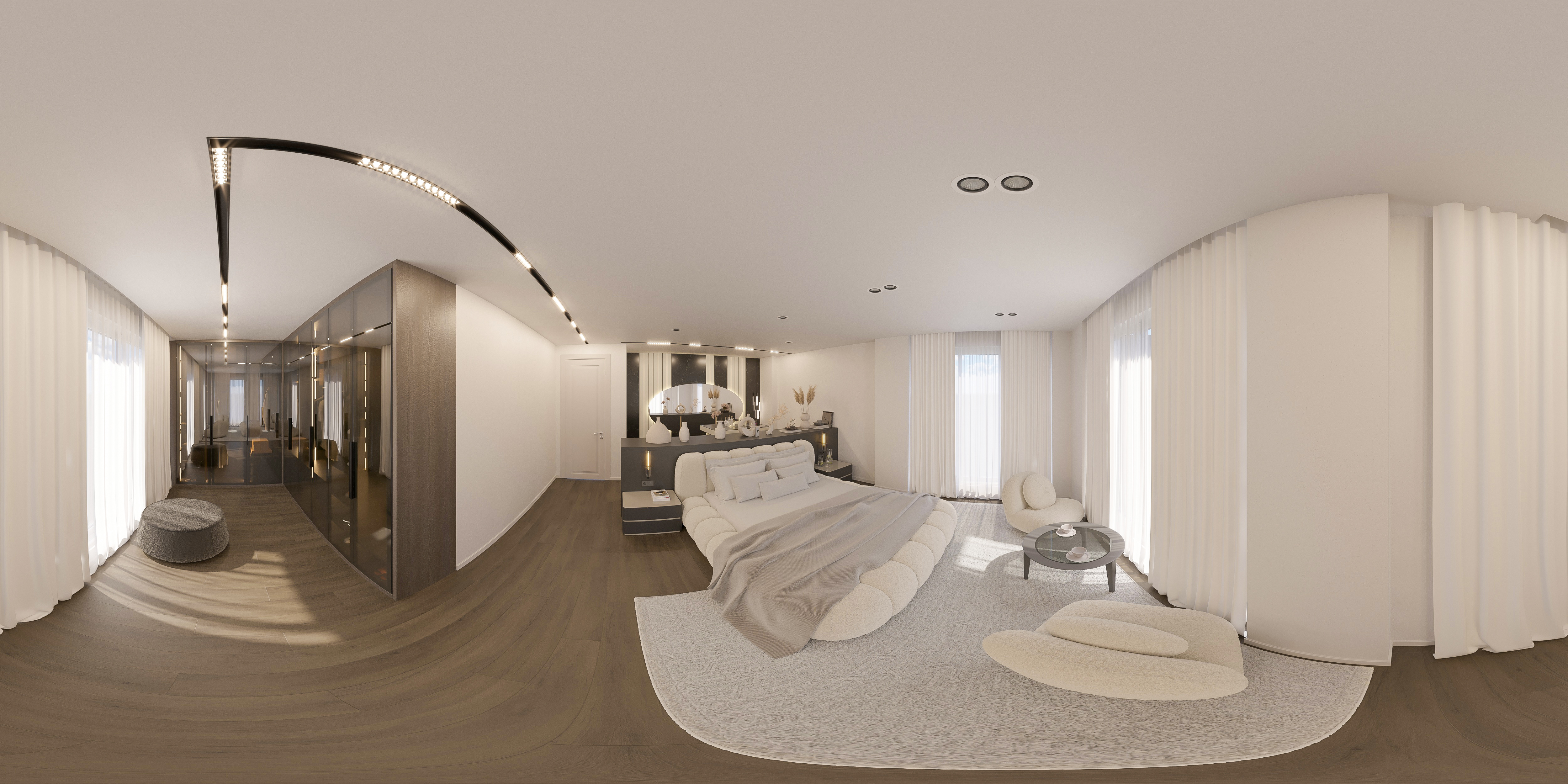
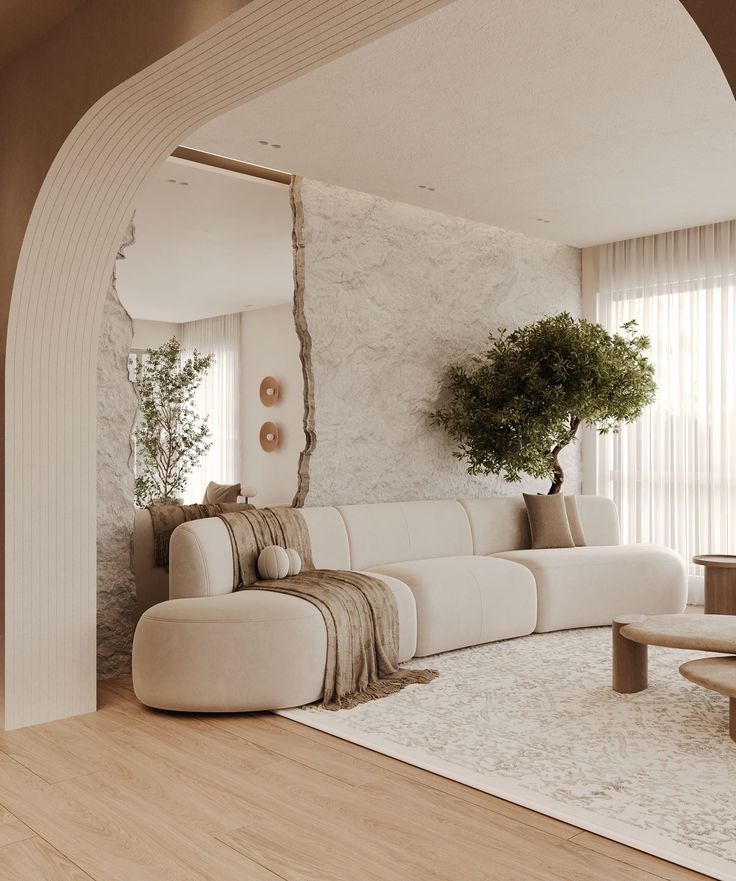
Minimalism in Interior Architecture
Minimalist architecture extends seamlessly into interior spaces.
Key interior strategies:
- Neutral color palettes
- Built-in furniture systems
- Hidden lighting (indirect LED)
- Clean junctions and detailing
- Limited but high-quality objects
Interior minimalism focuses on experience rather than decoration.
Benefits of Minimalist Architecture
Minimalism offers both aesthetic and functional advantages.
Key benefits:
- Timeless appeal: Avoids trend-based design
- Better usability: Clear and efficient layouts
- Lower maintenance: Fewer elements, easier upkeep
- Enhanced well-being: Calm and organized spaces
- Stronger identity: Clean and confident design language
Minimalist spaces often feel more luxurious—not because they are complex, but because they are refined.
Common Mistakes in Minimalist Design
Minimalism is easy to misunderstand and difficult to execute correctly.
Mistake 1: Confusing minimalism with emptiness
Minimalism is intentional, not empty. A space without purpose is not minimalist—it is incomplete.
Mistake 2: Using low-quality materials
Minimalist design exposes materials. Poor quality becomes immediately visible.
Mistake 3: Ignoring lighting
Without proper lighting, minimalist spaces feel flat and lifeless.
Mistake 4: Lack of detail resolution
Minimalism requires precise detailing. Every junction, edge, and transition matters.
Minimalism and Modern Living
Minimalist architecture aligns perfectly with contemporary lifestyles.
Why it works today:
- Supports mental clarity
- Reduces visual stress
- Encourages organized living
- Adapts to flexible use
- Promotes intentional consumption
In a world driven by excess, minimalism offers balance.
Minimalism and Sustainability
Minimalism naturally supports sustainable design.
Key connections:
- Reduced material usage
- Efficient spatial planning
- Longer-lasting design solutions
- Better use of natural light
Less waste, more efficiency.
Impact on the Design Process
Designing a minimalist space requires a different approach.
Key differences:
- More time spent on concept development
- Stronger focus on proportion
- Careful material selection
- High attention to detail
Minimalist design is not faster—it is more deliberate.
Practical Design Tips
If you want to apply minimalist principles:
- Start with a strong layout
- Limit your material palette
- Invest in quality over quantity
- Use hidden storage
- Prioritize lighting
- Avoid unnecessary decoration
Think of minimalism as editing, not removing.
Conclusion: Less, But Better
Minimalism in modern architecture is not about creating empty spaces—it is about creating meaningful ones.
It focuses on:
- Clarity
- Function
- Quality
- Experience
When done correctly, minimalist architecture produces spaces that are calm, powerful, and timeless.